

Reviewed by: Vinay Gutti, MD, Board-Certified Laser Cataract & Lens Replacement, Corneal Surgeon
Laser cataract surgery has become a leading option for those seeking improved vision and reduced dependence on glasses. According to the American Academy of Ophthalmology, this procedure, guided by a cataract specialist, makes precise incisions in record time. Here’s what you can expect before, during, and after advanced laser cataract surgery from our specialists in The Villages, Wildwood, Tavares, Leesburg, Lady Lake, and Mount Dora, FL, USA.
Advanced laser cataract surgery is a precise procedure designed to remove the cloudy natural lens and replace it with a clear artificial lens. Most patients experience minimal discomfort during surgery and notice improved vision within the first few days. Recovery usually involves temporary symptoms such as mild blurry vision, dryness, or light sensitivity, with complete healing continuing over several weeks.
Understanding each step before and after surgery can help you feel more confident and prepared for a smoother recovery.
Table of Contents
How Do You Prepare for Laser Cataract Surgery?
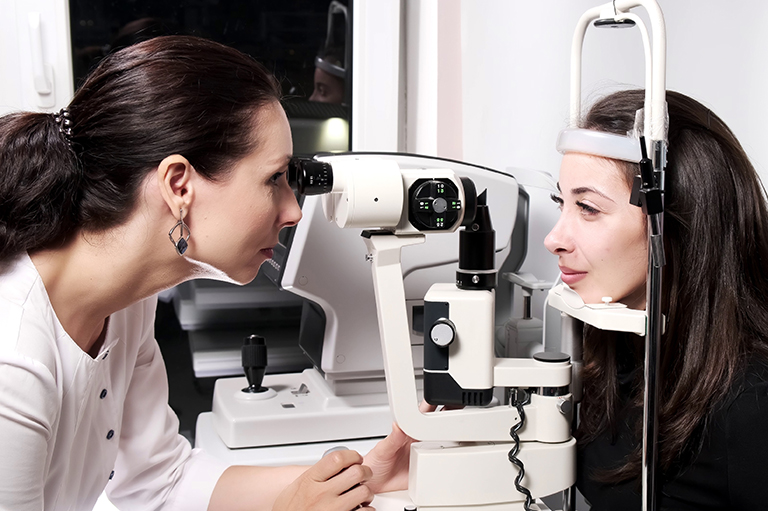
Before laser cataract removal, your cataract specialist will conduct a thorough eye examination using various manual and technical tools. This exam takes detailed measurements of your eye shape and lenses to tailor the procedure to your needs. This preparation ensures the correct positioning of the artificial lens implanted during surgery.
Lake Eye Associates offers several artificial lenses from leading manufacturers. These include accommodating lenses, multifocal lenses, mono-focal lenses, extended-range lenses, and toric lenses. During preparation, your cataract specialist will determine which of these lenses offers the optimal correction for your eye needs.
What Happens During the Laser Cataract Surgery Procedure?
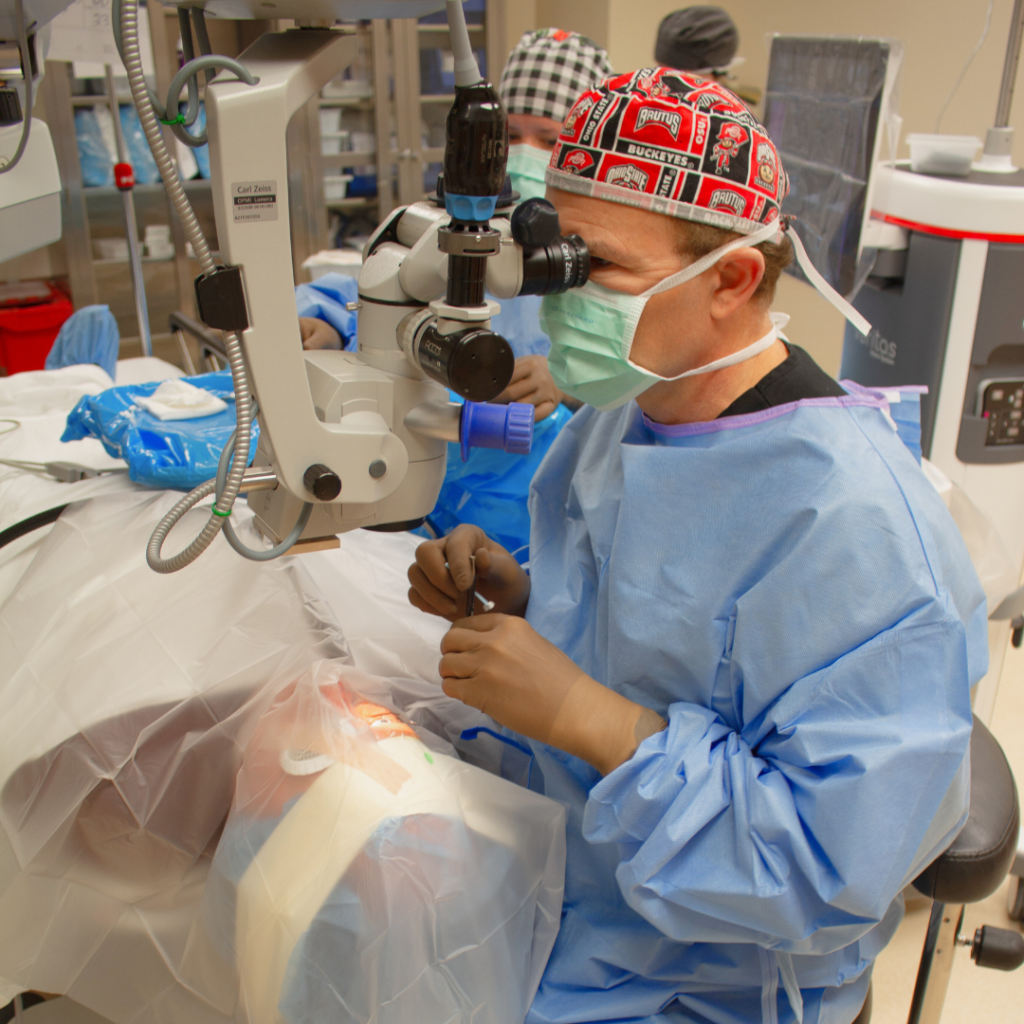
Advanced laser cataract surgery uses a femtosecond laser to create precise incisions in the cornea. This laser technology also softens the cataract, making it easier to remove. The cataract is then broken into smaller fragments and removed from the eye. Finally, an artificial intraocular lens (IOL) is implanted to replace the cloudy natural lens. The entire procedure takes no more than an afternoon.
What Should You Expect After Advanced Laser Cataract Surgery?
You may experience mild discomfort, blurred vision, and light sensitivity post-surgery. These symptoms are normal and should subside within a few days. It’s crucial to follow the post-operative instructions provided by your cataract specialist, which include using prescribed eye drops to prevent infection and reduce inflammation.
How Long Does Recovery Take After Laser Cataract Surgery?
Most patients notice significant improvements in vision within the first day following surgery, but complete recovery can take a couple of weeks. The American Academy of Ophthalmology reports that the total recovery time is around three months, although patients can expect to resume regular activities within a few weeks.
Laser Cataract Surgery Recovery Timeline
Recovery after laser cataract surgery varies from patient to patient, but most people experience gradual vision improvement during the first few weeks. Here is what you can typically expect during the healing process:
| Recovery Stage | What You May Experience |
| First 24 Hours | Vision begins improving, although some blurriness, mild irritation, or light sensitivity may occur. Resting your eyes and following prescribed eye drop instructions are important. |
| First Week | Many patients notice clearer vision and improved comfort. You should continue using medications as directed and avoid activities that could put pressure on the eye. |
| Weeks 2 to 4 | Vision usually becomes more stable as the eye continues healing. Most patients can gradually return to normal activities after receiving approval from their doctor. |
| 1 to 3 Months | Complete healing continues, and your vision outcomes become more predictable. Your cataract specialist will evaluate your progress during follow-up visits. |
During this time, you should avoid strenuous activities, heavy lifting, and exposure to irritants like dust and pollen. It’s also important to wear protective eyewear as recommended, especially at night, to avoid accidentally rubbing or putting pressure on the eye.
Why Are Follow-Up Visits Important After Cataract Surgery?
Regular follow-up appointments are essential to monitor the healing process and ensure that your vision is improving as expected. Your cataract specialist will check for complications and adjust your laser cataract treatment plan if necessary.
What Tips Can Help You Recover Smoothly After Laser Cataract Surgery?
1. Rest and Hydrate: To support the healing process, ensure you get plenty of rest and stay hydrated.
2. Follow Medication Instructions: Use prescribed eye drops and medications exactly as directed to prevent infection and control inflammation.
3. Avoid Strenuous Activities: Refrain from heavy lifting, bending over, or engaging in intense physical activities for at least a week.
4. Protect Your Eyes: Wear sunglasses outdoors to protect your eyes from UV rays, and use protective eyewear at night.
Key Takeaways
- Laser cataract surgery is a quick, precise, and highly effective procedure for restoring clearer vision.
- Most patients notice improved vision within 24–48 hours, with continued healing over a few weeks.
- Mild discomfort, light sensitivity, or blurred vision is normal and temporary after surgery.
- Following eye drop instructions and aftercare guidelines is critical for smooth healing.
- Avoid rubbing your eye, heavy lifting, swimming, and eye makeup during early recovery.
- Regular follow-ups ensure proper healing and optimal visual outcomes.
Conclusion
Advanced laser cataract surgery is a safe and efficient way to restore vision by replacing the eye’s cloudy lens with an artificial one. While the procedure itself is quick and usually painless, recovery happens gradually over days to weeks. With proper aftercare and follow-up visits, most patients experience significantly clearer, sharper vision and improved quality of life.
Frequently Asked Questions
1. What not to do after laser cataract surgery?
After laser cataract surgery, avoid rubbing your eye, driving until your vision is cleared by your doctor, heavy lifting, strenuous exercise, swimming, eye makeup, and getting water directly in the eye. You should also avoid dusty or dirty environments when possible, as irritants can make healing more uncomfortable.
2. How long does it take for your eye to heal after laser cataract surgery?
Many patients notice vision improvement within the first few days, but healing can continue for several weeks. Some symptoms, such as mild dryness, glare, or light sensitivity, may take longer to settle. Your cataract specialist will monitor your recovery during follow-up visits and let you know when your eye has healed enough to resume specific activities.
3. Is advanced laser cataract surgery painful?
Advanced laser cataract surgery is generally not considered painful. The eye is numbed before the procedure, and most patients feel little to no pain during surgery. Some mild pressure, scratchiness, irritation, or discomfort may occur afterward, but this usually improves as the eye heals.
4. How long does advanced laser cataract surgery take?
The surgical procedure itself is usually relatively quick, but the entire visit may take a few hours because of preparation, dilation, surgery, and post-operative monitoring. Your cataract specialist will explain the timing before your appointment so you know what to expect on the day of surgery.
5. When will my vision improve after laser cataract surgery?
Some patients notice clearer vision within the first day, while others experience gradual improvement over several days or weeks. Blurry vision, light sensitivity, or visual fluctuations can be normal early in recovery. Vision typically becomes more stable as the eye heals and inflammation decreases.
Ready for Better Eyesight?
Advanced laser cataract surgery is a highly successful procedure that can strongly improve your vision and quality of life. By knowing what to expect during and after the surgery, you can prepare adequately and follow the necessary steps for a smooth recovery. Always consult your cataract specialist at any of our locations in The Villages, Wildwood, Tavares, Leesburg, Lady Lake, and Mount Dora, FL, USA, to address concerns and receive personalized care instructions.
**The information provided in this blog on corrective laser eye surgery is intended for general informational purposes only. It is not intended as a substitute for professional medical advice, diagnosis, or treatment. Always seek the advice of your physician or other qualified health provider with any questions you may have regarding your medical condition.**


