

Reviewed By: Scott R. Wehrly, MD, Board-Certified Laser Cataract & Lens Replacement and Corneal Surgeon
Yes, many people with cataracts may be candidates for laser-assisted cataract surgery, but having a cataract alone does not determine eligibility. Your cataract severity, overall eye health, corneal condition, pupil characteristics, visual goals, and other clinical factors all help your ophthalmologist determine whether laser assistance is appropriate for your eyes.
If cataracts are making reading, driving, recognizing faces, or other everyday activities more difficult, cataract surgery may help restore clearer vision. The important question is not simply whether you have cataracts, but which surgical approach and lens option best fit your eyes and visual goals.
Laser cataract surgery uses computer-guided imaging and femtosecond laser technology to assist with specific steps of cataract surgery. Your eligibility for laser cataract surgery is determined through a comprehensive eye examination, not age or cataract diagnosis alone.
Your surgeon will also discuss the available cataract surgery lens options, because the artificial lens placed in your eye can influence your vision after surgery and your potential dependence on glasses.
Table of Contents
1. Determine Your Cataract Severity with an Ophthalmologist
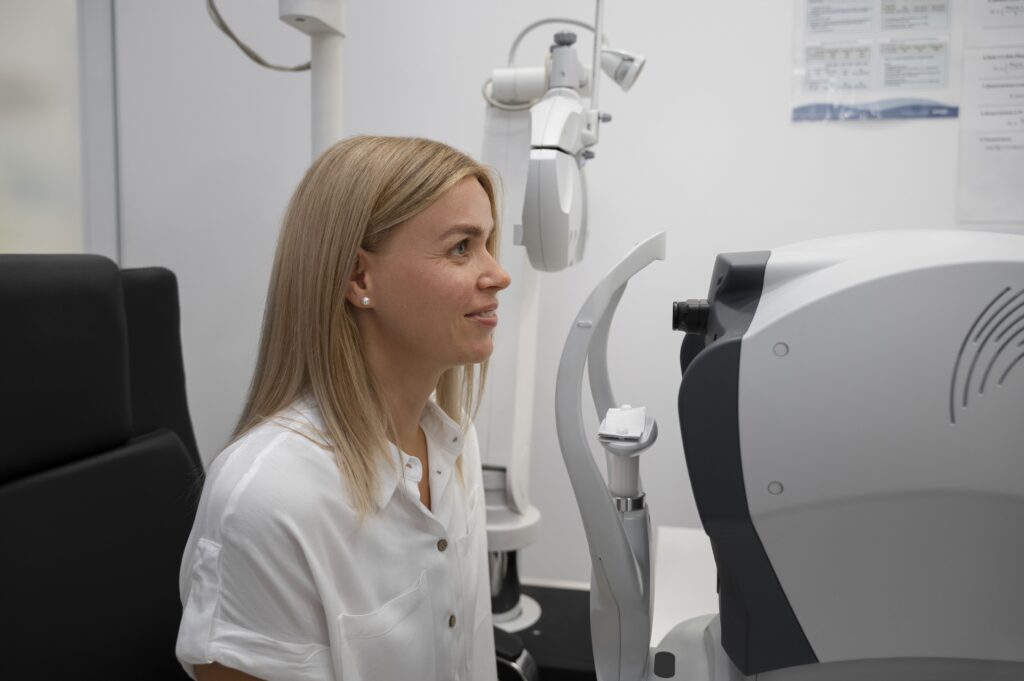
The first step to determine if you qualify for laser cataract surgery is to have a comprehensive eye exam by an ophthalmologist, an eye doctor specializing in eye surgery. The cataract specialist will evaluate the condition of your eyes, measure your vision, and check for other eye diseases or problems. If diagnosed with a cataract in one or both of your eyes, they will assess the severity of your cataracts and how they affect your vision and quality of life.
If you’re in Central Florida, you can find experienced cataract specialists at one of our many locations nearby to guide you through this process. Generally, cataract surgery is considered when cataracts interfere with everyday activities and clearer vision can no longer be achieved adequately with changes to glasses or other nonsurgical measures.
Determining eligibility for laser cataract surgery requires additional evaluation. Your ophthalmologist may assess your cornea structure, pupil size and dilation, cataract characteristics, previous eye procedures, retinal and optic nerve health, and other factors that could affect surgical planning.
Laser assistance is one surgical option, not a requirement for successful cataract treatment. However, proceeding with advanced laser cataract surgery is ultimately up to you and your doctor based on your personal preferences, goals, and expectations.
2. Check Your Eye Health Beyond Cataracts
Laser cataract surgery is a safe and effective procedure, but it is not without risks or complications. A comprehensive examination helps your ophthalmologist identify conditions that may influence whether laser assistance is appropriate or whether another cataract surgery approach would be preferable.
Eye Conditions That Can Affect Eligibility
- Corneal scarring: If you have scars on your cornea, the clear front surface of the eye, your surgeon will evaluate whether the scarring could interfere with imaging, laser delivery, or the planned surgical approach. Previous eye injuries, infections, or surgeries can cause corneal scarring.
- Pupil dysfunction: The femtosecond laser requires adequate access to the structures being treated. A pupil that does not dilate sufficiently may affect the surgeon’s ability to use laser assistance for certain steps of the procedure. Certain medications, eye diseases, or previous eye surgeries can affect pupil function.
- Glaucoma: Having glaucoma does not automatically rule out cataract surgery. However, glaucoma severity, eye pressure, optic nerve health, and the individual’s treatment history need to be considered when planning the safest surgical approach.
- Macular degeneration: Macular degeneration can limit the amount of vision a person ultimately gains from cataract surgery because cataract removal does not treat damage to the retina. Your ophthalmologist can evaluate the macula before surgery and discuss realistic expectations for postoperative vision.
Read more about retinal and corneal conditions.
3. Choose the Correct Lens Type
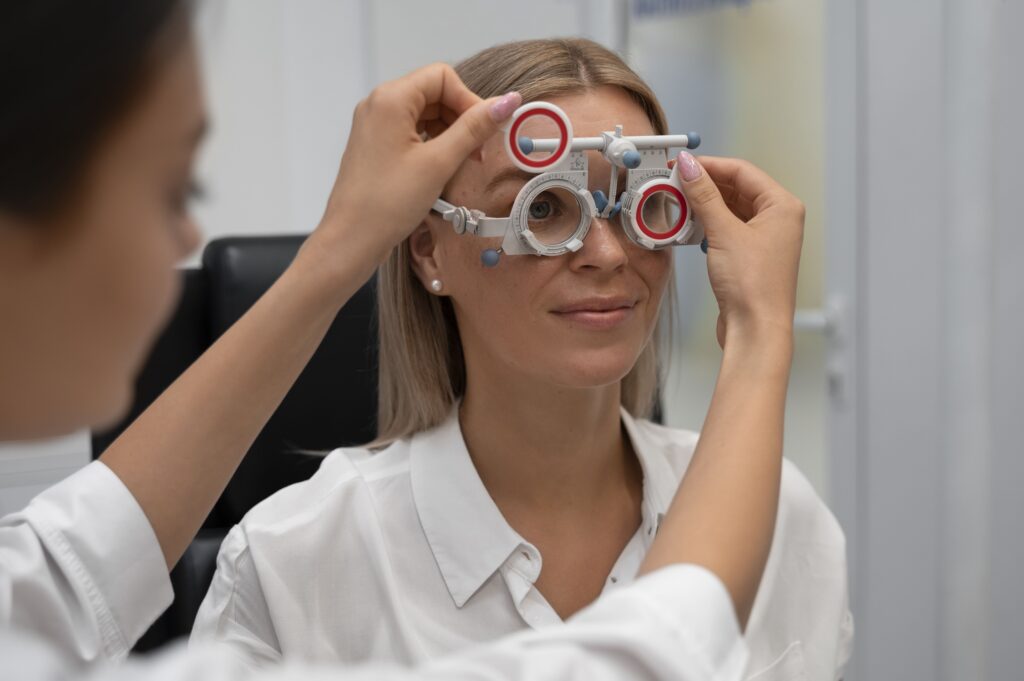
The final factor is the type of lens you want to replace your natural lens after the cataract is removed. Different types of artificial lenses, also called intraocular lenses (IOLs), can provide different levels of vision correction and quality.
Choosing among your cataract surgery lens options is an important part of treatment planning. Your lifestyle, eye health, existing prescription, astigmatism, preferred viewing distances, and willingness to wear glasses after surgery can all influence which option your surgeon recommends.
Custom Vision
With a Custom Vision option, your surgeon will tailor your visual outcome to meet your personal desire for decreased dependence on glasses. Custom Vision is most commonly used for those patients who primarily want good distance vision and don’t mind wearing eyeglasses for near and intermediate vision.
Advanced Vision
With an Advanced Vision option, your surgeon uses the latest ophthalmic technology to achieve your personal best vision and help you reduce or eliminate your dependence on glasses at all distances.
RXSIGHT™ Light Adjustable Lens (LAL)
Lake Eye Associates also offers the RXSIGHT™ Light Adjustable Lens (LAL), an IOL whose refractive power can be adjusted after cataract surgery. Following implantation and initial healing, controlled light treatments allow the surgical eye care team to refine the lens based on the patient’s postoperative vision and visual goals.
Patients receiving the LAL must follow the required post-surgical treatment schedule and wear RxSight UV-protective glasses as directed until the adjustment and lock-in process is complete. The LAL is not appropriate for everyone, so eligibility must be confirmed during the cataract evaluation.
Click here to watch the video!
Compare Your Cataract Surgery Lens Options
The right lens is highly individual. This quick comparison can help you understand the primary differences before discussing your options with your cataract surgeon.
| Lens Option | Lens Type | Best For | Glasses Dependence After Surgery | Key Feature |
| Custom Vision | Personalized cataract lens option based on the patient’s treatment plan | Patients primarily seeking clear distance vision who are comfortable using glasses for some near or intermediate tasks | Glasses may still be needed, particularly for near and intermediate vision | Treatment is planned around the patient’s visual needs and desired distance vision |
| Advanced Vision | Advanced-technology IOL option selected according to the patient’s eye health and visual goals | Appropriate for patients who want a broader range of vision and less dependence on glasses | May reduce glasses dependence, but glasses may still be required for certain activities | Designed to expand functional vision across more than one viewing distance when clinically appropriate |
| RXSIGHT™ LAL | Postoperatively adjustable intraocular lens | Eligible patients who want the ability to refine their prescription after cataract surgery | May reduce dependence on glasses, although individual results vary | Lens power can be adjusted after implantation using controlled light treatments before the final prescription is locked in |
No IOL can guarantee complete freedom from glasses. Your ophthalmologist can explain which options fit your eye health and what level of glasses independence is realistic for you.
If you’re in Florida, visit any of our Lake Eye Associates offices in Tavares, The Villages, Lady Lake, Leesburg, or Wildwood for this advanced lens option. Schedule your appointment today!
What Happens If I’m Not a Candidate for Laser Surgery?
Being told that laser-assisted cataract surgery is not the right option for your eyes does not necessarily mean you cannot have cataract surgery. Traditional cataract surgery remains a well-established approach in which the surgeon manually performs steps that a femtosecond laser may otherwise assist with.
Your ophthalmologist may recommend traditional cataract surgery based on your eye anatomy, existing eye conditions, previous procedures, or other clinical findings. The goal remains the same: safely remove the cloudy natural lens and replace it with an appropriate IOL to improve vision.
Your surgeon can also discuss which cataract surgery lens options remain available to you. Eligibility for laser assistance and eligibility for a particular IOL are separate considerations, so not qualifying for one technology does not automatically exclude you from other treatment choices.
If another eye condition is affecting your treatment plan, your ophthalmologist may recommend managing that condition first or coordinating cataract care around it. The safest approach is based on your individual eye health, not on choosing a technology before your examination.
Book Your First Eye Appointment with Lake Eye
Choosing cataract treatment starts with understanding your eyes, not selecting a technology from a list. A comprehensive evaluation can determine your eligibility for laser cataract surgery and help you compare cataract surgery lens options that best match your eye health, lifestyle, and visual priorities.
Don’t let cataracts blur your vision; schedule your first appointment with Lake Eye Associates and see life in a new light.
**The information provided in this blog on laser cataract surgery is intended for general informational purposes only. It is not intended as a substitute for professional medical advice, diagnosis, or treatment. Always seek the advice of your physician or other qualified health provider with any questions you may have regarding your medical condition.**
Frequently Asked Questions
1. How do I know if I am eligible for laser cataract surgery?
A comprehensive eye examination is required to determine eligibility. Your ophthalmologist evaluates your cataract, cornea, pupil, retina, optic nerve, previous eye procedures, overall eye health, and visual goals before recommending an approach.
2. Can I have laser cataract surgery if I have astigmatism?
Possibly. Astigmatism does not automatically exclude you from laser-assisted cataract surgery. Your surgeon will measure your cornea and decide how to address astigmatism as part of your individual surgical plan.
3. Can glaucoma or macular degeneration affect my cataract surgery options?
Yes. These conditions can influence surgical planning and expected vision after cataract surgery. Your ophthalmologist will assess their severity and determine which surgical approach and IOL options are appropriate for your eyes.
4. Does qualifying for laser cataract surgery mean I can choose any IOL?
No. Laser surgery eligibility and IOL eligibility are separate decisions. Your eye health, corneal measurements, retinal condition, prescription, lifestyle, and visual goals help determine which lens options may be suitable.
5. What should I ask my cataract surgeon before choosing a lens?
Ask which viewing distances the lens targets, how much you may still need glasses, whether your eye health limits certain lenses, what visual tradeoffs to expect, and why the recommended option fits your goals.


