

Reviewed by: Jose Alfredo Vazquez, MD, Board-Certified Comprehensive Ophthalmologist
Summer in Central Florida hits differently. The heat is intense, the days are long, and most people are busy traveling, attending family events, or simply spending more time outdoors. But if you have glaucoma, summer brings a specific set of challenges that can quietly affect your eye pressure and vision without you ever feeling it.
Glaucoma is often called the “silent thief of sight” for a reason. It does not always cause pain. It does not flash warning lights. It slowly damages the optic nerve, and by the time most people notice something is wrong, permanent vision loss has already happened. According to the CDC, an estimated 4.2 million Americans were living with glaucoma in 2022, including 1.5 million with vision-affecting glaucoma, and a large portion of them are unaware their condition is worsening.
So, what makes summer a critical season for glaucoma management? And what should you actually do about it? Let us break it all down.
Table of Contents
How Does Summer Heat Actually Affect Eye Pressure?
If you have glaucoma, one of the first things your doctor monitors is your intraocular pressure (IOP), the pressure inside your eye. When IOP stays too high for too long, it damages the optic nerve. Controlling it is the entire foundation of glaucoma treatment.
The risk in summer comes from:
- Dehydration — Hot weather causes fluid loss. Dehydration can affect overall body fluid balance, which may unpredictably influence intraocular pressure in some individuals.
- Travel disruptions — Vacations, time zone changes, and busy schedules often break the routine of taking glaucoma eye drops on time.
- UV exposure — Prolonged sun exposure without proper eye protection can worsen eye strain and add stress to already vulnerable eyes.
- Dry eye flare-ups — Heat and air conditioning both increase tear evaporation. Patients with both glaucoma and dry eye syndrome experience the greatest seasonal variation in IOP, according to the same NCBI study referenced above.
- Missed follow-up appointments — Summer schedules are packed. Many patients delay their check-ups with their glaucoma doctors during this time, which can lead to undetected pressure spikes.
Quick Fact: The optic nerve damage from glaucoma is irreversible. Once vision is lost, it cannot be restored. That is why consistent glaucoma management in summer is not optional; it is essential.
Why Is Glaucoma Eye Drops Compliance the Biggest Challenge in Summer?
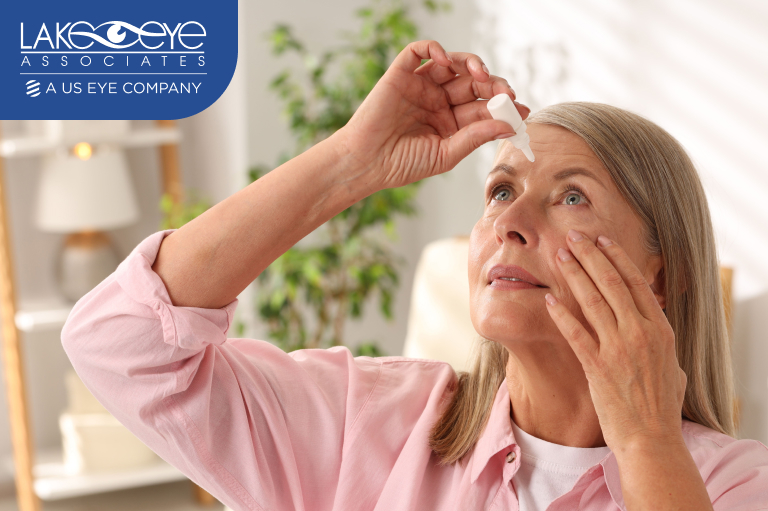
Compliance with glaucoma eye drops is the single most important factor in preventing vision loss, and it is also the area where most patients struggle.
Research is direct on this point. A study found that poor adherence to glaucoma eye drop medications (defined as using less than 75% of expected doses) occurs in approximately 50% of glaucoma patients worldwide. That same source reports that at least 3 million people worldwide lose vision from glaucoma each year due to poor adherence.
Meanwhile, a study in Ophthalmology and Therapy (PMC) found that among patients aged 90+ with a history of glaucoma, the prevalence of profound vision loss was 42.6% among non-adherent patients compared to just 19% among adherent patients, more than double the risk.
Why Summer Makes Compliance Harder
| Summer Challenge | How It Disrupts Glaucoma Eye Drops Compliance |
| Travel and vacations | Drops are forgotten in hotel rooms or left behind |
| Heat | Drops stored improperly (in hot cars or direct sunlight) can lose effectiveness |
| Time zone changes | Dosing schedule becomes inconsistent |
| Social events and packed days | Patients simply forget their regular dosing time |
| Running out of medication | Refills are not planned before travel |
What Glaucoma Specialists Recommend for Summer Compliance
Your glaucoma specialists at Lake Eye Associates in Central Florida consistently advise the following practical steps:
- Set phone alarms for each dose — every single day, not just on weekdays
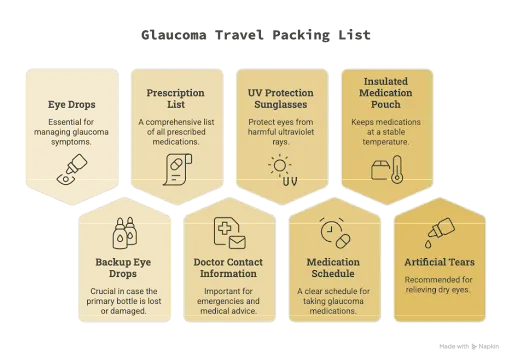
- Keep a backup bottle of drops in your travel bag, not just at home
- Store your eye drops below 77 degrees Fahrenheit; never leave them in a hot car
- Ask your glaucoma doctors about whether a longer-acting drop or drug-eluting implant might work better for your lifestyle.
- Refill your prescription at least 2 weeks before a planned trip
Pro Tip: Some glaucoma eye drops must be refrigerated (like certain prostaglandin analogs). If you are traveling, ask your pharmacist for a travel-safe storage option and check airline regulations for carrying liquid medications.
How to Control Eye Pressure During Summer Travel
This is one of the most practical questions patients ask their glaucoma doctors before leaving for a trip: How to control eye pressure when you are far from home and far from routine?
Here is an actionable guide.
Before You Leave
- Schedule a pre-travel appointment with your glaucoma specialists to get a current IOP reading and confirm your treatment plan is stable.
- Ask for a written copy of your current medications and dosages — useful at any pharmacy or emergency room.
- Pack more drops than you think you need (travel delays happen)
- If you are flying, carry all eye medications in your carry-on, never in checked luggage.
During Travel
- Drink enough water — dehydration is real, and it matters for whole-body fluid balance.
- Avoid excessive alcohol, which can temporarily alter eye pressure.
- Wear UV-blocking sunglasses with wraparound frames, especially in bright, open environments.
- Keep your dosing alarm on and do not silence it.
If You Miss a Dose
- Take it as soon as you remember, unless it is almost time for your next dose.
- Never double-dose to make up for a missed one; this can cause side effects without additional benefit.
- Note the missed dose and mention it at your next visit with your glaucoma doctor.
What Eye Hygiene Habits Should Glaucoma Patients Follow in Summer?
Summer heat brings sweat, dust, pool water, and increased touching of the face, all of which raise the risk of eye infections and irritation. For glaucoma patients, whose eyes are already under stress, basic eye hygiene is a genuine line of defense.
Follow these hygiene guidelines every day during summer:
- Wash your hands thoroughly with soap and water before applying any glaucoma eye drops or touching your eye area — this is the single most important hygiene step
- Never rub your eyes with unwashed hands, even if they feel itchy from allergens or sweat
- If you swim in pools or open water, wear watertight goggles — chlorine and bacteria in water can cause eye infections that complicate glaucoma management.
- Use wrap-around goggles or protective glasses during yard work, outdoor sports, or any activity with flying debris — an eye injury in a glaucoma patient can trigger a dangerous IOP spike.
- If you use cooling eye masks for comfort in summer heat, make sure they are clean and not shared with others; reusable masks can harbor bacteria if not washed regularly.
- Patients who have had trabeculectomy or any filtering glaucoma surgery must be especially careful — post-trabeculectomy eyes have a surgical bleb (a small fluid pocket) on the surface of the eye that is vulnerable to infection all year, but particularly in summer when bacteria thrive in warm, humid conditions.
- Avoid touching or pressing on your eyes during or after outdoor activities
- If you notice increased redness, discharge, pain, or blurred vision after outdoor exposure, contact your glaucoma doctors promptly — do not wait for your next scheduled visit
How Do Hydration and Nutrition Support Glaucoma Health in Summer?
Most people know that drinking water in summer is important. But for glaucoma patients, hydration and nutrition are directly related to intraocular pressure, optic nerve health, and the effectiveness of glaucoma management in summer. This is not about fad diets. It is about practical, science-backed choices.
Hydration: what glaucoma patients need to know
- Drink water consistently throughout the day — not all at once. Drinking large amounts of water rapidly in a short period can cause a short-term spike in intraocular pressure, which is particularly risky for glaucoma patients. Sip steadily and carry a reusable water bottle.
- Aim for at least 8 glasses (64 oz) daily, more if you are outdoors or exercising in the Florida heat.
- Dehydration thickens the blood, reduces blood flow to the retina and optic nerve, and can worsen dry eye symptoms — all of which compound glaucoma risk.
- Caffeinated and alcoholic drinks are dehydrating; balance them with extra water.
- If you use lubricating eye drops for dry eye, increase their frequency in summer — heat and air conditioning both increase tear evaporation, and dry eyes and glaucoma together create greater IOP variability.
Nutrition: foods that support optic nerve health
Research increasingly supports the role of diet in slowing glaucoma progression. While food is not a replacement for your glaucoma treatment options, it is a meaningful complement. Focus on:
- Leafy greens (spinach, kale, collard greens) — high in nitrates, which improve blood flow to the optic nerve
- Colorful berries (blueberries, strawberries, blackberries) — rich in antioxidants that reduce oxidative stress on retinal cells
- Fresh fruits and vegetables — provide vitamin C and E, both associated with lower glaucoma risk
- Omega-3 fatty acids (found in salmon, flaxseed, and walnuts) — support the drainage of fluid from the eye and reduce inflammation
- Antioxidant-rich foods in general help combat free radical damage to the optic nerve — especially relevant in a state like Florida, where UV exposure is intense year-round
Are You Storing and Using Your Glaucoma Drops Correctly?
Even if you remember your drops every day, using or storing them incorrectly can reduce their effectiveness.
Common Eye Drop Mistakes (and How to Fix Them)
1. Contaminating the tip
Never let the dropper tip touch your eye, eyelid, or any surface. Contamination introduces bacteria and can lead to infection or irritation.
2. Blinking too fast
After instilling the drop, gently close your eye and press on the inner corner (punctal occlusion) for about 60 seconds. This keeps the drop in your eye and reduces the amount absorbed systemically.
3. Using drops in the wrong order
If you use more than one type of drop, wait at least 5 minutes between each one. Applying them back-to-back causes the first drop to wash out before it is absorbed.
4. Skipping the missed dose guidelines
As noted earlier, take a missed dose as soon as you remember unless your next dose is near. Never double up.
5. Storing drops in a hot car
Heat degrades the active ingredients in many glaucoma medications. A car parked in the Florida sun can reach over 130 degrees Fahrenheit inside. Never store your drops in the car.
When Should You Talk to a Glaucoma Surgeon About Surgery?
Not everyone with glaucoma needs surgery. But there are clear signs that your current treatment plan may not be enough, and that it is time to have a serious conversation with a glaucoma surgeon.
Watch for these signs:
- Your IOP readings remain high despite using drops as prescribed
- Your visual field tests show continued deterioration
- You have significant side effects from your current medications
- Your lifestyle (frequent travel, arthritis, vision impairment) makes daily drops unmanageable
- Your glaucoma doctors recommend adding a procedure to your existing treatment
Modern glaucoma surgery includes both MIGS procedures and laser treatments, all designed to be minimally invasive, safe, and effective. The goal of any surgical option is not to replace your care; it is to give your optic nerve a better chance by achieving more stable, sustained IOP control.
Key Takeaways
- Eye pressure (IOP) tends to naturally decrease in summer, but inconsistent treatment can still lead to dangerous pressure spikes.
- Summer travel, heat, and disrupted routines are the leading causes of missed doses and poor glaucoma management.
- Modern glaucoma treatment options, including MIGS procedures, SLT laser, and drug-eluting implants such as iDose TR, offer patients greater flexibility and better long-term outcomes.
- How to control eye pressure effectively in summer comes down to three things: consistent medication, routine monitoring, and open communication with your glaucoma doctors.
Conclusion
Summer does not have to be a setback for your glaucoma. It can actually be a reset, a reminder to revisit your routine, check in with your glaucoma specialists, and explore whether your current treatment plan is still the right fit for your life.
Glaucoma management in summer is not complicated. It is consistent. It is intentional. And it is entirely possible with the right team supporting you.
The physicians at Lake Eye Associates serving Wildwood, The Villages, Lady Lake, Tavares, and Leesburg are ready to help you stay ahead of this condition, not behind it.
Frequently Asked Questions
1. Can heat waves trigger a glaucoma attack?
Extreme heat usually does not trigger open-angle glaucoma attacks, but dehydration and stress may affect eye pressure. Angle-closure patients should be more cautious. Sudden eye pain, redness, or vision changes need urgent care.
2. Is it safe to wear contacts with glaucoma drops?
Yes, but remove contacts before using drops. Preservatives can absorb into soft lenses and irritate. Wait at least 15 minutes before reinserting them.
3. Does caffeine affect eye pressure?
Caffeine may cause a short-term, mild rise in eye pressure. Occasional intake is usually fine for well-controlled glaucoma, but high caffeine use should be discussed with your eye doctor.
4. Is monitoring different after glaucoma surgery?
Yes. After surgery, patients need closer follow-ups to check eye pressure, healing, and whether the treatment is still working. Long-term monitoring remains necessary because glaucoma is lifelong.
5. Can children or young adults develop glaucoma?
Yes. Juvenile and congenital glaucoma can affect younger patients. Summer care still matters, including medication consistency, UV protection, hydration, and regular eye exams, especially if there is a family history.
Are You Taking the Right Steps to Protect Your Vision This Summer?
If you live in Central Florida and have glaucoma or are concerned about your eye pressure, now is the right time to schedule a comprehensive evaluation. The
Glaucoma specialists and glaucoma doctors at Lake Eye Associates bring decades of experience, board-certified expertise, and access to the latest glaucoma
treatment options under one roof.
Whether you are managing open-angle glaucoma with daily drops, exploring laser therapy, or wondering whether an advanced option like iDose TR is right for you,
Our team is here to provide clear answers and a personalized plan.
Contact us today to book your appointment and take the first step toward protecting your vision this summer and every season ahead.


