

Reviewed By: Dr. Karin Girgis, Optometric Physician
Have you ever stepped outside during spring, felt the warm breeze, and suddenly noticed your eyes start itching, burning, or watering? Many people think seasonal allergies only cause sneezing or a runny nose. But the truth is that allergies can also affect the most delicate part of your eye — the cornea.
During allergy season, pollen, dust, and airborne irritants can trigger inflammation on the eye’s surface. If irritation continues for days or weeks, it can slowly weaken the cornea and lead to complications that may affect vision. This is why understanding cornea care during spring allergies is essential for protecting long-term eye health.
Millions of Americans experience seasonal eye allergies every year. According to the American College of Allergy, Asthma & Immunology, over 50 million Americans suffer from allergies annually, many of which involve eye symptoms that worsen during spring and early summer.
This guide explains why allergy season affects the cornea, how to recognize early warning signs, and when professional treatment becomes necessary. If your eyes often feel irritated or sensitive during allergy season, could your cornea be silently asking for attention?
Table of Contents
Why Do Seasonal Allergies Affect the Cornea?
Seasonal allergies can irritate the eye’s surface when pollen and airborne allergens trigger inflammation. The cornea becomes vulnerable because it is constantly exposed to the environment. Persistent inflammation can damage the protective tear film and weaken corneal tissue.
The cornea is the transparent front layer of the eye that focuses incoming light and protects deeper eye structures. Because it is exposed directly to air, pollen, and environmental particles, it becomes one of the first areas affected during seasonal allergies.
When allergens enter the eye, the immune system releases histamine. This chemical reaction causes itching, redness, swelling, and tearing. Over time, repeated inflammation can disturb the delicate balance that keeps the cornea healthy.
How Allergens Trigger Eye Surface Inflammation
Pollen, grass particles, and mold spores can easily settle on the surface of the eye. Once they reach the tear film, the body reacts by activating immune cells that attempt to remove the irritant.
This reaction leads to swelling of the conjunctiva and irritation of the ocular surface, including the cornea.
Why the Cornea Is Sensitive to Allergic Reactions
The cornea contains thousands of nerve endings, making it one of the most sensitive tissues in the human body. Even mild inflammation can cause significant discomfort, including burning or foreign-body sensations.
When Allergy Irritation Starts Affecting Vision
If swelling or inflammation persists, it can temporarily distort the cornea’s shape. In some cases, prolonged irritation can affect how light enters the eye, leading to blurred vision.
Quick Fact: The cornea contributes nearly 65–75% of the eye’s focusing power, which is why even small disturbances can affect visual clarity.
What Are the Early Cornea Allergy Symptoms You Should Not Ignore?
Early eye allergy symptoms often begin with itching, redness, and tearing. However, certain signs indicate deeper involvement of the cornea. Recognizing these symptoms early can help prevent long-term damage.
Many people assume that allergy-related eye irritation is harmless and temporary. While this is often true, some symptoms suggest that inflammation is beginning to affect the corneal surface.
Recognizing cornea allergy symptoms early allows patients to seek timely care before complications develop.
- Persistent Eye Redness – Redness that lasts several days may indicate ongoing inflammation on the eye surface.
- Sensitivity to Light – When the cornea becomes irritated, bright light can feel uncomfortable or painful.
- A Gritty or Sand-Like Feeling – Many patients describe the sensation as if something is stuck in the eye.
- Blurred or Fluctuating Vision – Swelling or tear film instability can temporarily affect vision clarity.
Tip: If eye irritation lasts longer than one week, it may require medical evaluation rather than over-the-counter allergy drops.
What Causes Cornea Damage from Allergies?
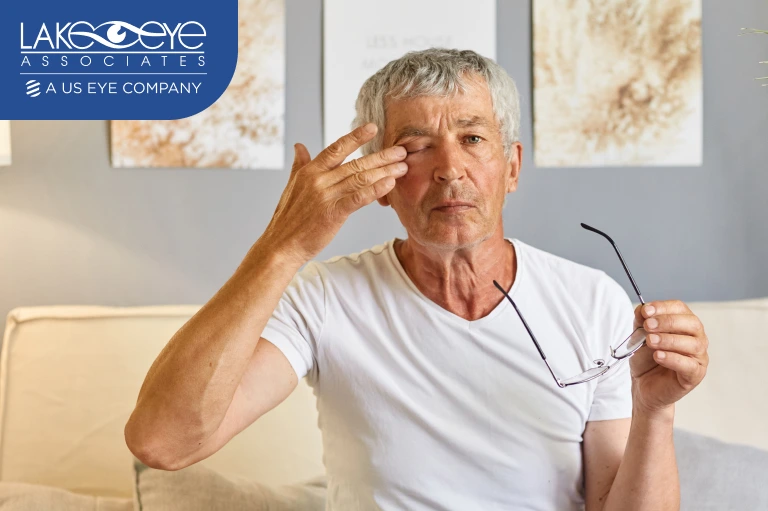
Allergies can damage the cornea when inflammation continues without proper treatment. Repeated eye rubbing, tear film imbalance, and chronic allergic reactions can gradually weaken corneal tissue.
Many patients ask, “What causes corneal damage from allergies?” The answer often involves a combination of environmental exposure and mechanical irritation.
When allergens repeatedly trigger inflammation, the protective tear layer becomes unstable. This increases the risk of microscopic damage to corneal cells.
Chronic Eye Rubbing
One of the most common causes of corneal injury during allergy season is excessive eye rubbing.
Repeated pressure can weaken corneal tissue and even contribute to conditions like keratoconus.
Tear Film Instability
The tear film protects the cornea from dryness and irritation. Allergies can disrupt this protective layer.
Inflammatory Proteins
Immune reactions release inflammatory molecules that can damage epithelial cells on the corneal surface.
According to the National Eye Institute, prolonged inflammation on the eye surface can increase the risk of corneal complications if not properly treated.
Quick Fact: Frequent eye rubbing has been linked to increased risk of corneal shape changes in susceptible individuals.
How Can You Protect Your Eyes During Allergy Season?
Seasonal allergens such as pollen, dust, and mold can easily irritate the eye surface and weaken the protective tear film. Simple daily habits can significantly reduce allergen exposure and help maintain healthy eyes. Taking preventive steps early can lower the risk of corneal inflammation.
Protecting your eyes during allergy season requires more than just using eye drops. Many people unknowingly expose their eyes to allergens throughout the day. By adjusting small daily habits and maintaining proper hygiene, you can reduce irritation and protect your vision.
Maintaining cornea care during spring allergies begins with prevention, environmental awareness, and proper eye hygiene.
Limit Outdoor Exposure During Peak Pollen Hours
Pollen levels tend to be highest in the early morning and late afternoon. If possible, try to schedule outdoor activities during times when pollen counts are lower.
You can check daily pollen forecasts through the National Allergy Bureau to plan outdoor activities more safely.
Tip: Showering and washing your face after spending time outdoors helps remove pollen that may stick to your skin and eyelashes.
Wear Protective Eyewear Outdoors
Wraparound sunglasses act as a physical barrier against airborne allergens. They help prevent pollen particles from directly entering the eyes.
This simple step can reduce irritation during windy or high-pollen days.
Avoid Rubbing Your Eyes
Rubbing the eyes may provide temporary relief, but it can actually worsen irritation and damage the delicate corneal tissue. Constant rubbing can increase inflammation and may even alter the shape of the cornea over time. Instead of rubbing your eyes, use cold compresses or lubricating eye drops to soothe irritation.
Use Artificial Tears to Flush Out Allergens
Preservative-free artificial tears help rinse away allergens from the eye surface. They also stabilize the tear film, which protects the cornea.
Using artificial tears several times a day during allergy season can help maintain moisture and reduce irritation.
Keep Indoor Air Clean
Allergens can accumulate inside homes through open windows, clothing, and pets. To reduce exposure:
- Use HEPA air filters in living spaces
- Vacuum regularly with allergen-filtering vacuums
- Wash bedding weekly in hot water
- Keep windows closed during high pollen days
Clean indoor air reduces the amount of pollen that reaches the eye surface.
Remove Contact Lenses Earlier in the Day
Contact lenses can trap allergens on the eye surface, which may worsen irritation.
If your eyes feel uncomfortable during allergy season:
- Switch to daily disposable lenses
- Wear glasses more frequently
- Remove lenses earlier in the evening
These steps help prevent prolonged exposure to allergens.
Apply Cold Compresses to Reduce Inflammation
A clean, cold compress placed over closed eyelids can calm inflammation and itching.
Cold temperatures help constrict blood vessels and reduce swelling caused by allergic reactions.
Apply a cold compress for 5–10 minutes when symptoms feel severe.
Wash Your Hands Frequently
Hands often pick up pollen after touching outdoor surfaces, pets, or clothing.
Touching your eyes without washing your hands can transfer allergens directly to the eye surface.
Simple hygiene habits can greatly reduce the risk of irritation.
Monitor Allergy Symptoms Carefully
If eye irritation persists for several days or worsens, it may require medical attention.
Persistent redness, light sensitivity, or blurred vision could indicate deeper involvement of the eye.
In these situations, professional allergy season eye irritation treatment may be necessary to protect eye health.
When Does Allergy Season Eye Irritation Require Medical Treatment?
Most seasonal eye irritation improves with simple treatments. However, persistent symptoms may require professional care to prevent corneal complications.
Sometimes home remedies are not enough. If irritation continues or worsens, targeted allergy season eye irritation treatment may be necessary.
- Prescription Anti-Inflammatory Eye Drops – Doctors may prescribe medications that reduce allergic inflammation.
- Advanced Diagnostic Imaging – Special imaging tests evaluate corneal thickness and structure.
- Personalized Treatment Plans – Patients with chronic allergies may require long-term management strategies.
According to the Centers for Disease Control and Prevention, seasonal allergies affect millions of adults each year, highlighting the importance of proper medical management.

Why Is Expert Cornea Care Important for Long-Term Eye Health?
Specialized care helps diagnose corneal complications early. Early treatment protects vision and prevents long-term damage caused by persistent inflammation.
When allergy-related irritation continues, professional evaluation becomes essential. A trained cornea specialist can identify subtle changes that may not be visible during a routine eye exam.
In some cases, patients benefit from consulting a skilled cornea surgeon who specializes in advanced corneal conditions and treatment options.
Comprehensive cornea care ensures that inflammation is controlled before it affects long-term visual function.
Key Takeaways
- Seasonal allergies can affect the cornea and cause significant eye irritation.
- Persistent symptoms may indicate deeper corneal involvement.
- Eye rubbing and tear film instability increase the risk of corneal damage.
- Preventive measures can help protect the eye surface during allergy season.
- Professional evaluation ensures timely diagnosis and effective treatment.
Conclusion
Seasonal allergies may seem like a temporary inconvenience, but their impact on eye health can be more significant than many people realize. When allergens repeatedly irritate the corneal surface, the cornea becomes vulnerable to inflammation, tear-film instability, and potential structural changes.
Understanding early warning signs and seeking timely care can make a meaningful difference in protecting long-term vision. Preventive habits, proper treatment, and expert evaluation all play an important role in maintaining healthy eyes throughout allergy season.
At Lake Eye Associates, patients receive comprehensive eye care supported by advanced diagnostic technology and experienced ophthalmologists. The practice focuses on protecting vision through personalized treatment plans designed to address both common and complex eye conditions.
When eye irritation persists, expert guidance can help determine whether the irritation is simply uncomfortable or beginning to affect your cornea’s health.
Are Your Allergy Symptoms Affecting Your Cornea More Than You Realize?
If your eyes feel constantly irritated during allergy season, it may be time to seek expert guidance. Persistent redness, blurred vision, or discomfort could indicate deeper involvement of the cornea.
The experienced team at Lake Eye Associates in The Villages, Leesburg, Wildwood, Lady Lake, and Tavares, provides comprehensive evaluation and personalized treatment to protect long-term eye health.
If you are experiencing symptoms that do not improve with basic care, reaching out for professional help may prevent future complications. Contact us today to schedule an appointment and learn how specialized care can protect your vision. When your eyes keep asking for relief, shouldn’t you find out what they truly need?
Frequently Asked Questions
Can seasonal allergies permanently affect the cornea?
In most cases, allergies cause temporary irritation. However, prolonged inflammation or excessive eye rubbing can increase the risk of corneal complications.
Are contact lens users more vulnerable to allergy-related eye irritation?
Yes. Contact lenses can trap allergens on the eye surface, which may worsen irritation.
Can children develop corneal complications from allergies?
Yes. Children with severe allergies may rub their eyes frequently, increasing the risk of corneal changes.
Do antihistamine eye drops protect the cornea?
They can help control inflammation, but persistent symptoms may require additional treatment.
How often should allergy sufferers get an eye exam?
Patients with chronic allergies should consider annual eye exams to monitor corneal health.


