

Reviewed By: Dr. Mari Holderby, OD., Optometric Physician
Have you ever paused to think about how much your vision impacts your daily life?
From reading a cherished book to recognizing a loved one’s face, our eyes play a vital role in connecting us to the world. But as we age, this connection can become strained. Did you know that by age 65, nearly one in three Americans experiences some form of vision loss?
It’s not just an inconvenience—it’s a quality-of-life issue.
Most age-related vision changes are manageable or preventable with timely care. In this guide, we’ll uncover the truth about how vision changes with age in seniors, the common conditions seniors face, and the steps you can take to protect your vision.
If you’ve been putting off an eye exam for seniors, now is the time to act—particularly if you’re in Florida, where convenient senior eye care options are available across multiple communities. Your sight is worth it. Let’s dive in.
Table of Contents
Why Does Vision Change with Age?
As we grow older, our eyes undergo gradual changes. These changes can range from minor annoyances, like needing more light to read, to more serious conditions, like cataracts or glaucoma.
Here’s a quick breakdown of what happens:
- The lens hardens. This reduces your ability to focus on nearby objects—a condition called presbyopia.
- The pupil shrinks. Smaller pupils make it harder to see in low light and adjust to bright glares.
- The retina loses sensitivity. This can cause faded color perception and reduced sharpness.
These changes are normal, but they can significantly impact your daily life if addressed.
The Most Common Age-Related Eye Conditions
1. Presbyopia: Why You’re Holding Things at Arm’s Length
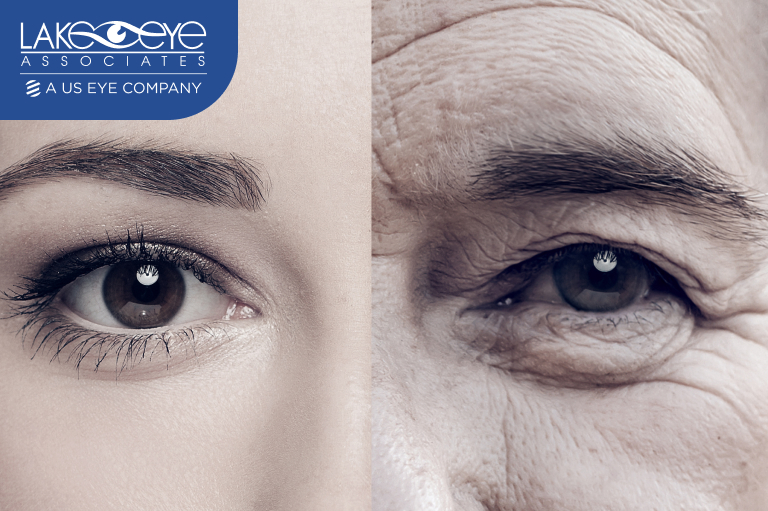
Presbyopia is a normal age-related vision change that makes it harder to focus on close objects, typically starting after age 40.
After age 40, you may notice that reading up close becomes a challenge. This is presbyopia, caused by the hardening of the lens inside your eye. Symptoms include:
- Blurry vision while reading or doing close-up work
- Eye strain or headaches after focusing for long periods
What You Can Do: Reading glasses, multifocal lenses, or corrective surgeries such as LASIK can provide relief. A routine adult eye test can confirm if presbyopia is the culprit.
2. Cataracts: Cloudy Vision That’s Fixable
Cataracts cause clouded vision, but cataract surgery is one of the safest and most effective procedures available to restore clear sight.
Cataracts are incredibly common, affecting half of all Americans over 65. They cause the lens of the eye to become cloudy, leading to:
- Blurred or foggy vision
- Sensitivity to glare, especially at night
- Faded colors
What You Can Do: Cataract surgery can restore your vision with a nearly perfect success rate. Advanced lens implants can even reduce the need for glasses post-surgery.
3. Glaucoma: The Silent Thief of Sight
Glaucoma silently damages the optic nerve, leading to vision loss. Regular eye exams can catch it early and prevent permanent damage.
Glaucoma often shows no symptoms in its early stages, but it gradually damages the optic nerve, leading to vision loss. Seniors are particularly at risk, with the likelihood of developing glaucoma increasing significantly after age 60.
What You Can Do: Regular eye exams for seniors can detect glaucoma early, allowing treatment with eye drops, laser therapy, or surgery to prevent vision loss.
4. Macular Degeneration: The Leading Cause of Blindness in Seniors
Macular degeneration is the leading cause of blindness in seniors and affects central vision. Early detection can help slow its progression.
Macular degeneration (AMD) affects central vision, making it hard to read or recognize faces. Over 1.75 million Americans have AMD, and the number is expected to rise. While there’s no cure, treatments like anti-VEGF injections can slow its progression. The key is to catch AMD early through routine adult eye exams.
5. Diabetic Retinopathy: A Risk for Diabetics
- Diabetic retinopathy is a complication of diabetes that damages the retina’s blood vessels, leading to vision problems. Regular eye screenings are crucial for prevention.
- If you have diabetes, you’re at risk of diabetic retinopathy—a condition that damages the blood vessels in your retina. Many diabetics over 40 have some form of this condition.
What You Can Do: Keep your blood sugar levels under control and have regular eye screenings to prevent or manage diabetic retinopathy.
How Often Should Seniors Get Comprehensive Eye Health Exams?
Seniors should have a comprehensive eye exam at least once a year to detect conditions such as glaucoma, cataracts, and age-related macular degeneration early.
Comprehensive eye exams are critical for seniors to help detect and treat common age-related eye diseases early. Regular check-ups allow for timely interventions that can significantly reduce the risk of permanent vision loss. These exams include screenings for glaucoma, cataracts, and other conditions that are prevalent among older adults.
Adult and Senior Eye Exam Specialist for Age-Related Vision
Eye exam specialists trained to work with seniors can assess age-related vision changes and recommend the best treatment options to preserve sight.
Choosing a specialist with experience in senior eye care ensures that any age-related vision changes are properly addressed. They can guide you through understanding your vision needs, offer solutions such as glasses, surgery, or lifestyle changes, and monitor the progression of conditions like presbyopia or macular degeneration.
Glaucoma Screening and Treatment Options for Older Adults
Glaucoma screenings should be part of annual eye exams for seniors, especially after age 60, to catch the disease early and prevent vision loss.
Glaucoma is a leading cause of blindness in seniors and often develops without noticeable symptoms. Regular screenings can help detect early signs of glaucoma, and treatments like prescription eye drops, laser therapy, or surgery can control the disease and prevent significant vision loss.
Dry Eye Therapy and Treatment for Aging Eyes
Dry eye is common in aging eyes, especially in postmenopausal women, and can be treated with artificial tears, prescription medications, or lifestyle changes.
As we age, our bodies produce fewer tears, leading to dry, irritated eyes. This condition can be particularly troublesome for seniors and can be managed with treatments like artificial tears, anti-inflammatory drugs, and punctal plugs to help keep the eyes moist.
Emergency Eye Care for Sudden Vision Loss or Flashes
Sudden vision loss or flashes of light require immediate attention from an eye doctor to rule out conditions like retinal detachment or stroke.
Any sudden change in vision, including flashes of light or sudden blindness in one eye, should be treated as a medical emergency. These symptoms may indicate serious conditions like retinal detachment, macular degeneration, or even a stroke, and immediate medical attention is critical for preserving vision.
How Aging Affects Vision Beyond Diseases
Even without major eye conditions, aging impacts your vision in subtle ways:
- Reduced light sensitivity: Older adults need three times more light for reading than younger people.
- Dry eyes: Tear production decreases, especially in postmenopausal women.
- Peripheral vision loss: Your field of vision narrows by 1–3 degrees per decade.
- Color perception fades: Blues may appear duller as retinal cells age.
These changes can impact your daily activities, but solutions like anti-reflective glasses, artificial tears, or strategic lighting can help.
How to Prevent Vision Changes with Age?
While you can’t stop aging, you can take steps to slow its impact on your vision. Here’s how:
1. Schedule Regular Eye Exams
Annual eye tests for seniors are your first line of defense. They help detect issues like glaucoma or AMD early when they’re most treatable.
2. Eat a Vision-Friendly Diet
Foods rich in:
- Vitamin A (carrots, sweet potatoes) protects the retina.
- Omega-3s (salmon, walnuts) prevent dry eyes.
- Antioxidants (leafy greens, berries) reduce the risk of AMD.
3. Quit Smoking
Smoking doubles your risk of cataracts and macular degeneration. Quitting benefits your eyes and overall health.
4. Protect Against UV Rays
Sunglasses with 100% UV protection are a must, especially in sunny areas like Florida. They reduce the risk of cataracts and AMD.
5. Stay Active and Manage Chronic Conditions
Exercise improves blood flow to the eyes, and managing conditions like diabetes or high blood pressure reduces your risk of diabetic retinopathy and glaucoma.
When Should You See an Eye Doctor?
While annual checkups are important, certain symptoms demand immediate attention:
- Sudden vision loss.
- Flashes of light or excessive floaters.
- Severe eye pain or redness.
- Difficulty seeing despite glasses.
Annual eye exams are your first line of defense against vision loss. If you notice any of these, schedule a senior eye exam without delay.
If you’re unsure about the recommended frequency, check out our blog on how often seniors should get an eye exam.
Key Takeaway
- Vision changes are a natural part of aging, but can be managed with regular care and timely treatment.
- Annual eye exams are essential to detect conditions such as glaucoma, cataracts, and macular degeneration early.
- A vision-friendly diet rich in Vitamin A, Omega-3s, and antioxidants helps protect and maintain eye health.
- Smoking cessation can significantly reduce your risk of cataracts and macular degeneration.
- UV protection through sunglasses helps reduce the risk of cataracts and age-related macular degeneration (AMD).
- Staying active and managing chronic conditions like diabetes improves blood flow to the eyes and reduces the risk of diabetic retinopathy.
- Don’t wait for symptoms—schedule a consultation with an eye doctor at the first sign of vision changes.
At Lake Eye Associates in Florida, we offer specialized senior eye care. Take charge of your eye health today and preserve your vision for the future.
Your Vision Matters: Take Action Today
Vision changes are a natural part of aging, but they don’t have to diminish your quality of life. Whether it’s cataracts, glaucoma, or simply needing better glasses, taking charge of your eye health ensures you can keep doing what you love.
At Lake Eye Associates, we specialize in eye exams for seniors and offer services across Florida, including convenient locations in Wildwood, The Villages, Lady Lake, Tavares, and Leesburg to help you see your best to help you see your best. Don’t wait for vision problems to take over—contact us today and let’s protect your sight for years to come.
Disclaimer: The information provided in this blog is for educational purposes only and should not be considered a substitute for professional medical advice, diagnosis, or treatment. Vision changes and age-related eye conditions require proper evaluation by a qualified eye care professional. If you experience symptoms such as sudden vision loss, persistent eye pain, or changes in your vision, consult with a qualified eye care professional promptly. Only a licensed healthcare provider can provide tailored recommendations and treatments based on your unique needs.
Frequently Asked Questions
What are the five most common age-related vision changes?
The most common age-related vision changes include presbyopia (difficulty focusing up close), reduced night vision, increased glare sensitivity, dry eyes, and slower visual adaptation between light and dark. These changes are gradual and often manageable with proper eye care and regular exams.
Which vision disturbance is most clearly associated with aging?
Presbyopia is the vision change most clearly linked to aging. It typically begins in the early to mid-40s and causes difficulty reading small print or focusing on nearby objects. Reading glasses, bifocals, or progressive lenses usually provide effective correction.
At what age does eyesight start to deteriorate?
Most people notice subtle vision changes beginning in their 40s, especially with near vision. More noticeable age-related conditions, such as cataracts or macular degeneration, often develop after age 60, making routine eye exams increasingly important as you get older.
Which symptoms suggest normal aging vs. warning signs of conditions like glaucoma or macular degeneration?
Normal aging often causes mild blur, dryness, or glare. Warning signs include sudden vision loss, blind spots, eye pain, distorted central vision, or halos around lights. These symptoms may indicate glaucoma or macular degeneration and require prompt evaluation by an eye care professional.
Where can seniors in Florida get age-specific eye care and screenings?
Seniors in Florida can access age-focused eye care through comprehensive ophthalmology practices offering routine exams, glaucoma screenings, cataract evaluations, and retinal health monitoring. Regular visits ensure early detection and personalized treatment plans tailored to age-related vision needs.


