

Reviewed By: Scott R. Wehrly, MD, Board-Certified Laser Cataract & Lens Replacement and Corneal Surgeon
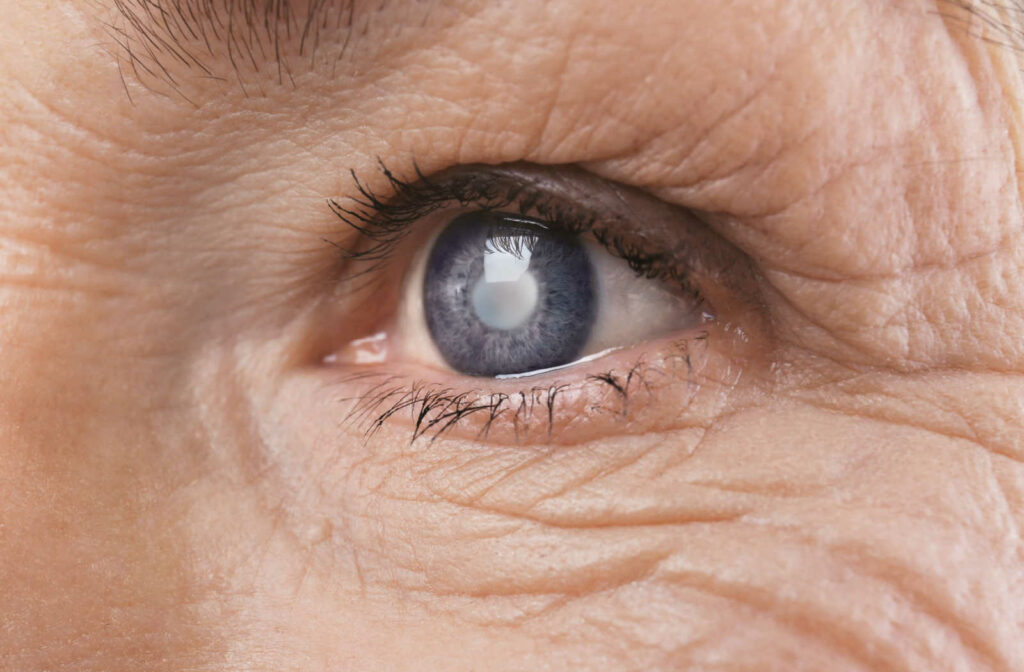
For many people, the first noticeable sign of cataracts is blurry, cloudy, or fuzzy vision, almost like looking through a fogged window. However, early cataract symptoms can be easy to miss because cataracts usually develop slowly. In the beginning stages of cataracts, you may notice that colors look duller, night driving feels harder, or bright lights create more glare than usual.
Cataracts are one of the most common eye issues that can cause vision loss in people over 60. Because they are so common, you may be wondering what the early signs are so you can be prepared if changes begin to affect your own vision.
Signs you may be developing cataracts include:
- Blurry or fuzzy vision
- Faded colors
- Difficulty seeing at night
- Double vision
- Light and glare sensitivity
- Frequent prescription changes
- Eye discoloration
- Halos around lights
- Needing brighter light to read
- Trouble reading fine print
- Cloudy, dim, or hazy vision
Thankfully, cataract surgery is a common procedure. If you think you may be developing cataracts, you have options available to help restore clearer vision.
Table of Contents
What Are Cataracts?
A cataract occurs when the normally clear lens in your eye becomes foggy. The lens is located behind your iris (the colored part of your eye) and allows light to enter your eye so that your brain and eye can work together to create a picture.
The lenses of our eyes are mostly made of water and protein that allows light to pass through. Cataracts form when that protein congregates into small clumps, clouding the lens.
When a cataract obscures the lens, your eye cannot focus light as it did when it was clear. This causes blurred vision and vision loss.
How Do Cataracts Start and Why Does Early Detection Matter?
Cataracts often start quietly. In fact, many people do not notice any major changes at first. The lens may become slightly cloudy, but your brain may compensate for the change until it begins affecting daily tasks.
That is why early detection matters. A comprehensive eye exam can identify cataracts before they significantly interfere with reading, driving, working, or enjoying everyday activities.
Early detection helps your eye doctor:
- Monitor how quickly the cataract is progressing
- Update your glasses or contact lens prescription when helpful
- Rule out other eye conditions that may cause similar symptoms
- Recommend treatment at the right time
- Help protect long-term vision and independence
Cataracts do not usually need surgery the moment they are found. But knowing they are there gives you and your eye doctor time to plan the next step with confidence.
What Are the Early Signs of Cataracts?
Cataracts can vary in severity, and the appropriate treatment is determined by the degree of progression and type of cataracts you have. There are several early signs of cataracts you may develop.

1. Blurry or Fuzzy Vision
Blurred vision is the first and most common symptom of cataract development. Your vision could be cloudy, fuzzy, or foggy as your cataracts worsen because less light reaches your retina.
You may also notice blurred spots in your vision when cataracts are in their early stages. The spots may begin as small patches and gradually grow in size, which can make daily activities more difficult as your cataracts worsen.
2. Faded Colors
Colors that aren’t as bright as they used to be could signify cataracts. This symptom may be noticeable when looking at a bright blue sky or other bright colors, but because vision changes gradually, some people don’t realize how much color they’ve lost until after their cataract surgery.
3. Difficulty Seeing at Night
Patients with early-stage cataracts may experience a gradual deterioration of their night vision, a condition commonly mentioned during exams at our Central Florida locations. Cataracts can cause your vision to darken or dim. These early changes may be unnoticeable during the day when there is enough light to compensate for dimming vision, but they can be obvious at night, a condition commonly mentioned during exams at our Central Florida locations.
4. Double Vision
Cataracts can also cause one eye to have double vision. This can occur when the cataract obstructs the eye’s normal focusing process. When the affected eye is closed, the double vision caused by the cataract may disappear.
If you have double vision, make sure to tell your eye doctor during your next eye exam.
5. Light & Glare Sensitivity
If you’re developing cataracts, you may experience discomfort in bright lighting.
Consult your eye doctor if bright lights cause you to squint or close your eyes or if you experience sudden headaches from bright lights.
6. Frequent Prescription Changes
Cataracts can accelerate the deterioration of vision. This means that in the early stages of cataracts, people may need to change their glasses and/or contact prescriptions more frequently than usual.
If you are developing cataracts, you may need to adjust your prescription every few months to compensate for vision loss.
7. Eye Discoloration
Cataracts can also cause discoloration of your eye’s lens. First, they may turn yellow, and then after time, brown. This can alter your perception of colors and make it difficult to distinguish between them, particularly black, brown, blue, and purple.
8. Halos Around Lights
Seeing halos or rings around lights can be another early sign of cataracts. This may be especially noticeable at night when looking at headlights, streetlights, or lamps.
Halos happen because the cloudy lens scatters light as it enters the eye. If halos are making it harder to drive safely or see clearly in low-light settings, it is time to schedule an eye exam.
9. Needing Brighter Light to Read
If you suddenly need stronger lamps or brighter room lighting to read comfortably, cataracts may be part of the reason. As the lens becomes cloudy, less light passes through clearly.
This symptom can be subtle. You may not notice it until you realize you are moving closer to windows, turning on extra lights, or avoiding reading in dim rooms.
10. Trouble Reading Fine Print
Small text may become harder to read when cataracts begin affecting contrast and clarity. Books, menus, medicine labels, receipts, and phone screens may require more effort than before.
This symptom may overlap with normal age-related near vision changes, so an exam is the best way to determine whether cataracts, prescription changes, dry eye, or another issue is contributing.
11. Cloudy, Dim, or Hazy Vision
Some patients describe cataracts as a film over their vision. Others say the world looks dimmer, duller, or less crisp.
This cloudy feeling may not clear when you blink or clean your glasses. If your vision still feels hazy even with updated eyewear, cataracts may be progressing.
What Are the Different Types of Cataracts?
Different types of cataracts can affect vision in different ways. Your eye doctor can identify the type during a comprehensive eye exam.
1. Nuclear Cataracts
Nuclear cataracts form in the center of the lens. They are often linked with aging and may first affect distance vision. Over time, the lens may become yellow or brown, making colors look duller.
2. Cortical Cataracts
Cortical cataracts form in the outer layer of the lens. They may create wedge-like cloudy areas that move toward the center. This type can cause glare, light sensitivity, and difficulty seeing clearly in bright conditions.
3. Posterior Subcapsular Cataracts
Posterior subcapsular cataracts form near the back of the lens. They can affect reading vision, bright-light vision, and night vision. This type may progress more quickly than some other cataracts.
4. Congenital or Childhood Cataracts
Some people are born with cataracts or develop them during childhood. These cataracts may be linked to genetics, trauma, infection, or other health factors. Childhood cataracts require timely evaluation because clear vision is important for visual development.
5. Traumatic Cataracts
A cataract can also develop after an eye injury. It may appear soon after trauma or years later. Any eye injury should be evaluated by an eye care professional, even if vision seems normal at first.
What Are the Risk Factors of Cataracts?
Aging is the most common risk factor for cataracts, but it is not the only one. Some people may develop cataracts earlier due to health, lifestyle, or environmental factors.
Common cataract risk factors include:
- Older age
- Diabetes
- Long-term sun or UV exposure
- Smoking or tobacco use
- Obesity
- Family history of cataracts
- Previous eye injury
- Previous eye surgery
- Long-term use of corticosteroid medications
- Excessive alcohol use
You cannot control every risk factor, but routine eye exams, UV-protective sunglasses, healthy lifestyle habits, and managing medical conditions like diabetes may support better long-term eye health.
What Are Cataract Treatment Options?
Treatment depends on how much cataracts are affecting your vision and quality of life. In the early stages, your eye doctor may recommend non-surgical adjustments first.
1. Early-Stage Cataract Management
Stronger lighting and updated eyeglasses can help correct cataract-impaired vision in the early stages. Your optometrist may also recommend anti-glare lenses, magnifying aids, or changes to your daily routine if symptoms are mild.
These options do not remove cataracts, but they may help you function more comfortably while your cataracts are still developing.
2. Cataract Surgery
Cataract surgery is the only way to remove cataracts. The procedure involves replacing the clouded natural lens with a clear artificial lens, called an intraocular lens, or IOL.
Laser cataract surgery entails replacing the clouded cataract lens with an artificial one, and this advanced procedure is available at multiple locations across Florida, including Lady Lake, Tavares, Leesburg, Wildwood, and The Villages.
Cataract surgery is one of the most common procedures performed worldwide. Most patients experience improved vision after cataract surgery, although results can vary depending on overall eye health, the type of lens selected, and whether other conditions such as glaucoma, macular degeneration, or diabetic eye disease are present.
When Should You See a Doctor?
You should see an eye doctor regularly, and any time you notice changes in your vision, especially if they develop quickly or interfere with daily activities.
Schedule an eye exam if you notice:
- Blurry, cloudy, or hazy vision
- Increasing glare or light sensitivity
- Difficulty seeing at night
- Double vision
- Colors appearing faded
- Frequent prescription changes
- Trouble reading, driving, or recognizing faces
Advances in cataract surgery allow a patient to have a cataract lens removed before it progresses to an advanced stage. If you are experiencing the beginning stages of cataracts, do not wait until your vision becomes frustrating or unsafe.
Book an appointment with the team at Lake Eye Associates to understand what is causing your symptoms and what treatment options may be right for you. Surgery and consultations are available across Florida, with convenient offices in Wildwood, The Villages, Leesburg, Lady Lake, and Tavares, so you can choose the location nearest you.
Key Takeaways
- The first noticeable sign of cataracts is often blurry, cloudy, or fuzzy vision.
- Cataracts can also cause faded colors, night vision problems, glare, halos, double vision, and frequent prescription changes.
- Cataracts usually develop slowly, so early symptoms may be easy to dismiss.
- Different cataract types can affect vision in different ways.
- Risk factors include age, diabetes, UV exposure, smoking, family history, eye injury, and long-term corticosteroid use.
- Early-stage cataracts may be managed with brighter lighting or updated prescriptions, but surgery is the only way to remove cataracts.
- A comprehensive eye exam is the best way to know whether cataracts are causing your vision changes.
Conclusion
If your vision feels cloudy, lights seem too bright, colors look faded, or night driving has become uncomfortable, it may be time to schedule an eye exam. Lake Eye Associates provides cataract evaluations and treatment options across Central Florida, helping patients understand their symptoms and make confident decisions about their vision.
This article is for general educational purposes only and should not replace professional medical advice. Please consult a qualified eye care professional for diagnosis and personalized treatment recommendations.
Frequently Asked Questions
What is usually the first sign of cataracts—blurry vision, glare, halos, or trouble with night driving?
Blurry or cloudy vision is often the first noticeable sign of cataracts. Many people also experience increased glare from lights, halos at night, or difficulty driving after dark. Symptoms usually develop gradually and may initially be mistaken for normal vision changes.
When should I see an eye doctor if I suspect early cataracts?
You should schedule an eye exam if vision changes begin interfering with reading, driving, or daily activities. Even early cataracts benefit from professional monitoring, as an eye doctor can confirm the diagnosis and help manage symptoms before surgery becomes necessary.
Do cataracts progress faster in bright, sunny areas like Central Florida?
Prolonged UV exposure can contribute to cataract development, making sunny regions like Central Florida a risk factor. Wearing UV-protective sunglasses and wide-brimmed hats may help slow progression, though cataracts still commonly develop as part of the natural aging process.
Where can I get a cataract evaluation near The Villages, Leesburg, Lady Lake, or Tavares, FL?
Cataract evaluations are available at local ophthalmology clinics serving The Villages, Leesburg, Lady Lake, and Tavares. These practices offer comprehensive exams, imaging, and guidance on monitoring or treating cataracts based on symptom severity and lifestyle needs.
Can early cataracts be slowed or reversed without surgery?
Cataracts cannot be reversed without surgery, but early symptoms may be managed with updated prescriptions, better lighting, and glare reduction. Lifestyle steps like UV protection and managing health conditions can help slow progression until surgery becomes the best option.


