Blog Hero

Diabetes and Cataracts: How to Manage Both Conditions

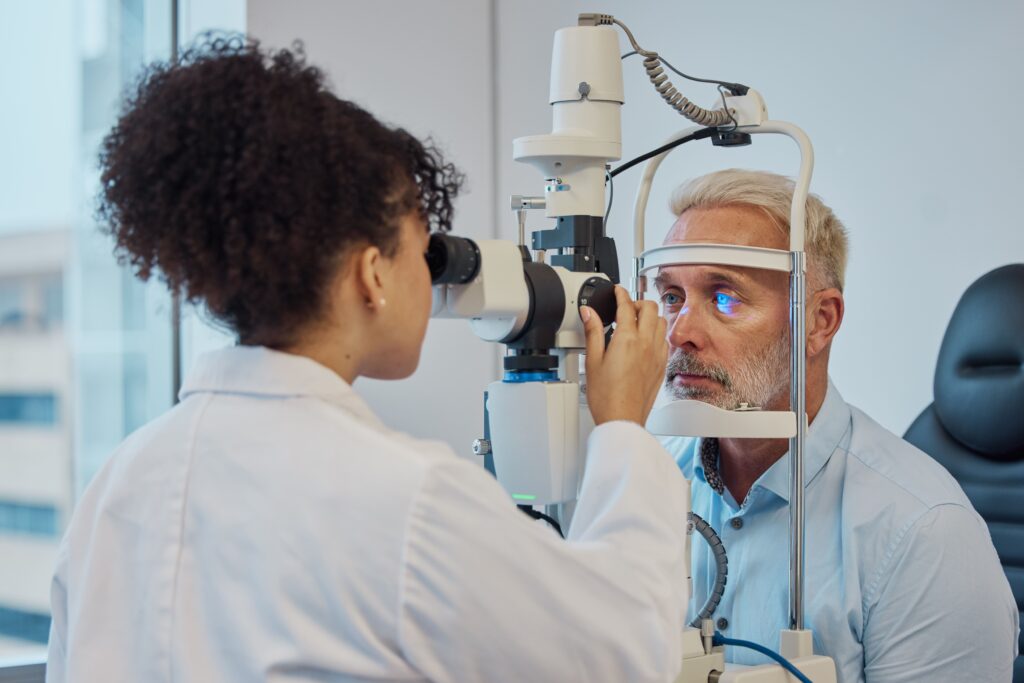
Diabetic Eye Test

Reviewed By: Scot C. Holman, MD
Diabetes is a severe condition that affects 37.3 million people nationwide—that’s 11.3% of the US population. Unfortunately, with skyrocketing obesity rates, cardiac problems, and genetic issues, Americans are a prime target.

WHAT ARE THE MOST COMMON RETINAL DISEASES?

Common Retinal Disease

Reviewed By: Scot C. Holman, MD
WHAT ARE THE MOST COMMON RETINAL DISEASES?

Retinal diseases are common, especially as people age. These diseases damage the retina, which lies at the rear interior wall of the eye. The retina contains millions of light-sensitive nerves, known as rods and cones, that collect and arrange information sent to the optic nerve, which in turn delivers this data to your brain. This complex and sophisticated system creates vision, and damage to the retina can lead to sometimes serious vision problems, including blindness.

4 Common Cornea Care Conditions and How to Treat Them

Common Cornea Conditions check for a women

Reviewed By: Vinay Gutti, MD
As the eye’s transparent outer layer, the cornea plays an essential role in optical function. However, like any part of the body, it can be affected (and damaged) by endless factors throughout life, later manifesting a serious condition. Understanding these four common conditions and proper cornea care may help preserve lifelong vision if you or someone you know is a cornea patient.

What Is the First Sign of Cataracts?

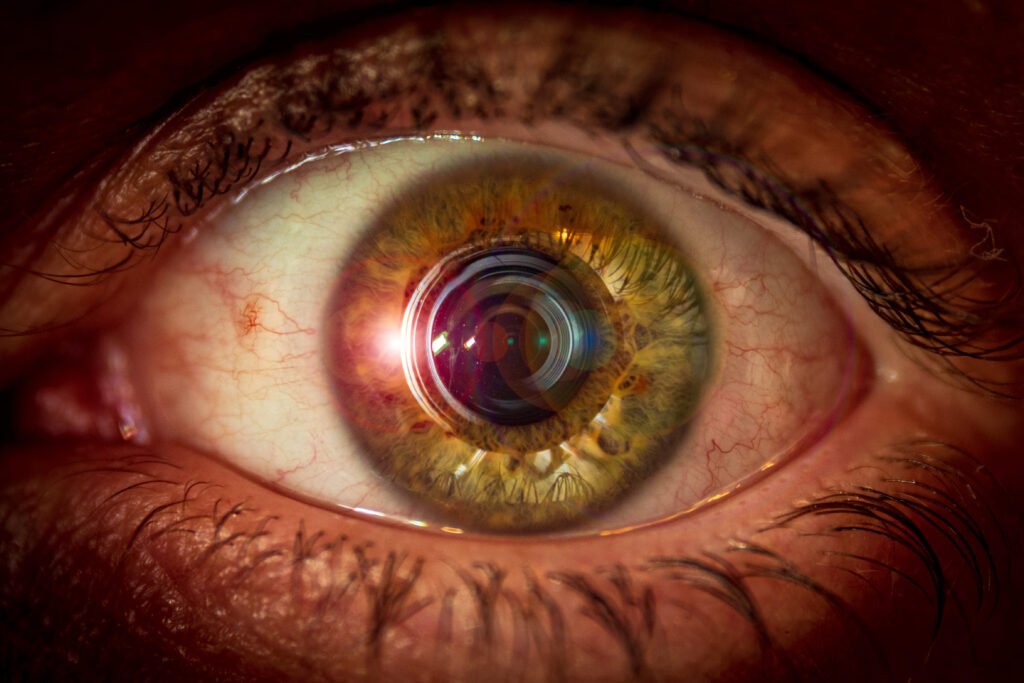
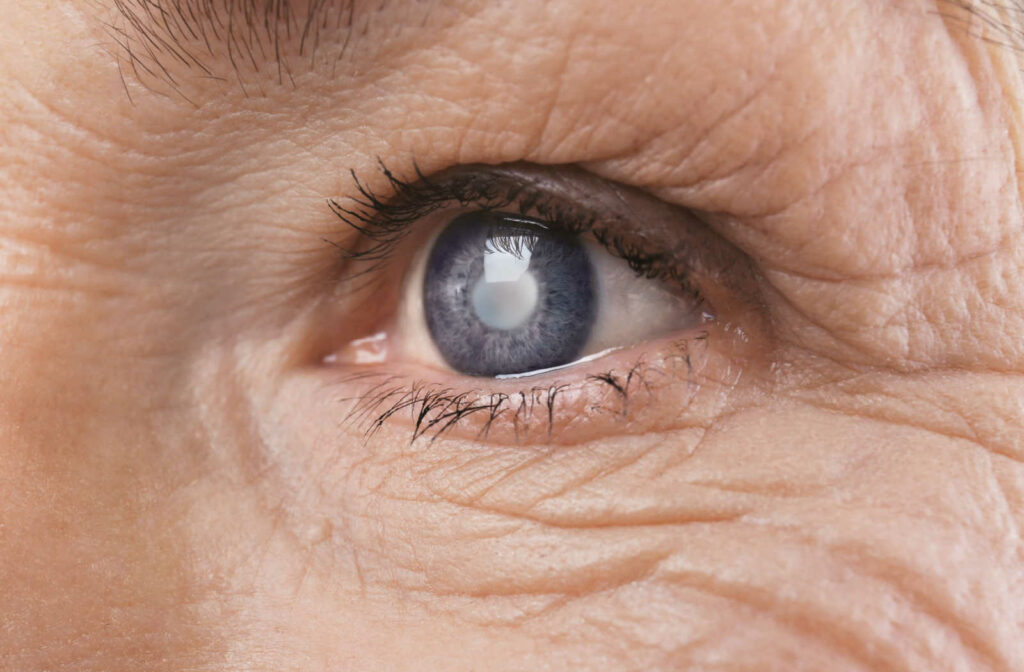
A closeup of an eye with cataract to show early signs of cataracts.

Reviewed By: Scott R. Wehrly, MD
Cataracts are one of the most common eye issues that can cause vision loss in people over 60.

Because it’s so common, you’re probably wondering what the early signs are so that you can be prepared if you start to develop cataracts yourself.

What Is the Light Adjustable Lens (LAL)?

A closeup of an eye with an implanted light adjustable lens (LAL).

Reviewed By: Scott R. Wehrly, MD
Overview of Cataracts 

Cataracts are typically an age-related condition. The risk of developing them increases after 40, and they are the leading cause of blindness in the United States. Fortunately, even though a cataract cannot be reversed, treatment is typically a smooth process once eyeglasses or contact lenses can’t correct a person’s vision.

instagram facebook facebook2 pinterest twitter google-plus google linkedin2 yelp youtube phone location calendar share2 link star-full star star-half chevron-right chevron-left chevron-down chevron-up envelope fax