
Your Optimal Vision Is Our Focus
Clear vision is an integral part of a healthy, happy life, and the doctors and staff of Lake Eye Associates work together to help you enjoy optimal vision long term.
As with all health matters, the early discovery of changes in your vision is paramount for keeping your eyes healthy and sharp. We encourage you to visit your ophthalmologist regularly, so they can solve issues before they do permanent and sometimes severe damage.
Eye Exams Help Preserve Your Sight
Why is a regular eye exam for seniors essential? With a regular adult eye test in Florida, we can help prevent or correct nearly all eye diseases and disorders.
For most people, a routine check-up and possible prescription for eyeglasses or contact lenses are enough to put the world back in order. As we age or encounter changes in our health, other treatments may become necessary, but the goal of our doctors and staff in Florida remains the same: to keep your eyes healthy, clear, and focused on a bright, happy life.
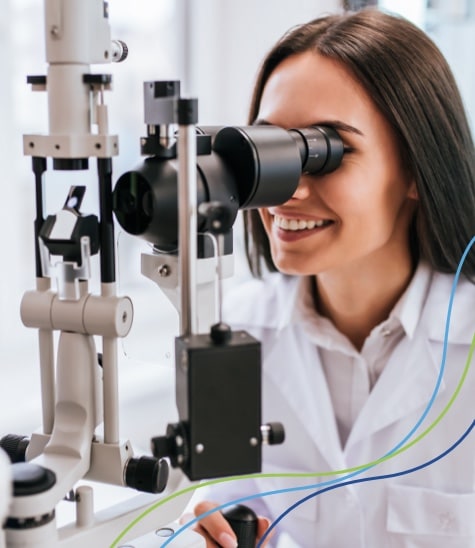

What You Need to Know About Eye Exams
A routine eye test for seniors should become a part of your general healthcare appointments, whether you have an apparent eye concern or not. Some ocular conditions can develop without symptoms, so an evaluation of your eye health could reveal signs of an eye disease that you didn’t know you had.
Adult Eye Exams
For adults ages 18 to 64 who are low risk or asymptomatic, we recommend that you have an eye exam at least every 2 years. We may recommend more frequent eye exams for adults who are predisposed to eye disease or have another medical condition like diabetes.
During an eye exam, the doctor will assess your overall eye health by asking questions about your habits and lifestyle, then dive deeper with diagnostics to view the internal and external structures of your eyes. At the end of the exam, the doctor will guide you on the next steps, whether that’s further testing, a contact lens fitting, or sending you to our fashion-savvy opticians to help you pick eyeglass frames.
Senior Eye Exams
Our experienced doctors know that as humans age, so do the eyes. If you’re over 65, we recommend seeing your eye doctor regularly, at least once a year. Maintaining a regular appointment schedule enables your doctor to monitor any changes to your vision and address situations before they worsen.
During a senior eye exam, we pay particular attention to signs of cataracts, glaucoma, and age-related macular degeneration, while also ensuring that your vision is the best it can be.
Treat Your Vision With Care
Visit Lake Eye Associates in Florida for exceptional eye care services. You’ll receive treatment with the most sophisticated and progressive technologies in the field and a pioneering force in innovative new ways to protect, correct, and restore vision, keeping it healthy throughout your lifetime.
FAQ
Are eye exams for seniors different from regular eye exams?
Yes, senior eye exams are tailored to address age-related changes and conditions such as cataracts, glaucoma, and age-related macular degeneration. These exams often include more in-depth diagnostics to monitor and manage these conditions effectively.
How often should seniors have an eye exam?
Seniors aged 65 and older should have an eye exam at least once a year to monitor vision changes and detect any potential eye health issues early.
At what age should seniors start getting regular eye exams?
Seniors should begin regular annual eye exams starting at age 65. However, individuals with a family history of eye diseases or other risk factors may need to start earlier.
What are some common age-related eye problems that seniors face?
Seniors commonly face conditions such as cataracts, glaucoma, age-related macular degeneration (AMD), and diabetic retinopathy. Regular eye exams can help detect and manage these issues early.
What is included in a senior eye exam?
A senior eye exam includes a comprehensive evaluation of vision and eye health. This may involve tests for visual acuity, intraocular pressure (to check for glaucoma), retinal imaging, and assessments for cataracts and macular degeneration.
What happens if I don’t get regular eye exams as a senior?
Without regular eye exams, seniors risk undiagnosed and untreated eye conditions that can lead to vision loss or blindness. Early detection is crucial for effective treatment and maintaining quality of life.
Can lifestyle changes improve eye health for seniors?
Yes, maintaining a healthy diet rich in vitamins A, C, and E, staying physically active, and protecting eyes from UV rays can help improve and preserve eye health.
Are there specific symptoms seniors should watch for between eye exams?
Seniors should watch for symptoms like blurry vision, difficulty seeing at night, eye pain, flashes of light, or sudden vision loss. These could indicate serious conditions requiring immediate attention.
How does diabetes affect senior eye health?
Diabetes can lead to diabetic retinopathy, a condition that damages the blood vessels in the retina. Regular eye exams are essential for early detection and management of this condition.
Are there advanced technologies used in senior eye exams?
Yes, advanced technologies like optical coherence tomography (OCT) and digital retinal imaging are often used to provide detailed insights into eye health and detect conditions early.
Can seniors still wear contact lenses?
Yes, seniors can wear contact lenses if their eyes are healthy and they follow proper care routines. During an eye exam, the doctor can determine if contact lenses are a suitable option.
Still Have Questions? Schedule a Consultation
Our Locations


We are a proud partner of US Eye, a leading group of patient-centric, vertically integrated multi-specialty physician practices providing patients with care in ophthalmology, optometry, dermatology and cosmetic facial surgery.




Get social on Facebook


- 5431 FL 44, Suite 1, Sumter Summit
- Wildwood, FL 34785
-
P: 352-632-2020
📍 View Map & Hours
- 1400 US-441 #521
- The Villages, FL 32159
-
P: 352-750-2020
📍 View Map & Hours
- 801 CR 466, Suite 102, Sunset Plaza
- Lady Lake, FL 32159
-
P: 352-360-6266
📍 View Map & Hours
- 1852 Mayo Drive
- Tavares, FL 32778
-
P: 352-343-2020
📍 View Map & Hours
- 601 E Dixie Avenue, Medical Plaza 201
- Leesburg, FL 34748
-
P: 352-365-2020
📍 View Map & Hours
- 8564 East CR 466
- The Villages, FL 32162
-
P: 352-561-4950
📍 View Map & Hours