
Preserving Your Vision From the Silent Thief of Sight
How are you protecting your eyes?
The risk of developing eye diseases increases throughout your life, with one of the most common being glaucoma.
Glaucoma, if left untreated, could lead to permanent vision loss—possibly even complete blindness. Our team at Lake Eye Associates in Florida understands the various ways glaucoma can develop and affect your eyes, and we offer several treatments to help protect your sight.
If you have glaucoma or have a risk of developing it, contact our glaucoma specialists to book an appointment. We’re ready to help preserve your vision from the “silent thief of sight.”
Glaucoma Is Among the Most Common Eye Diseases
According to the Center for Disease Control (CDC), about 3 million Americans have some form of glaucoma—the most common being open-angle glaucoma.
Aging can increase your risk of developing glaucoma, but your risk may also increase if you have diabetes, heart disease, thinner-than-average corneas, or a family history of glaucoma.
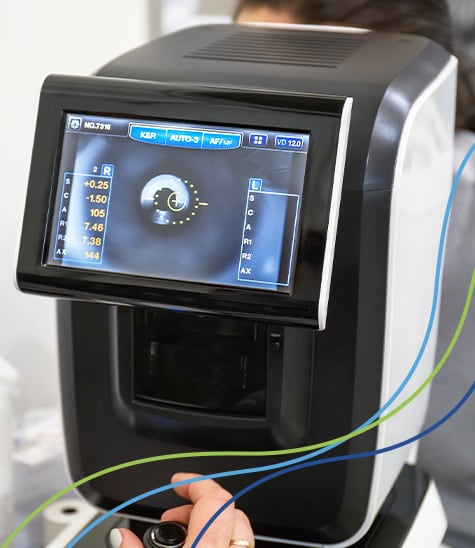
Some types of glaucoma can develop without symptoms over years. However, our comprehensive eye exams use advanced technology to detect the slightest signs of glaucoma. Some of the most common methods include measuring your intraocular pressure (IOP) or observing your optic nerve for damage.

Types of Glaucoma
Glaucoma is a group of diseases that affect your optic nerve. The optic nerve is responsible for carrying the information your retina receives to your brain, providing you with sight. If the optic nerve is damaged, you may gradually, and permanently, lose your vision over time.
Determining which type of glaucoma you have is the first step towards treating the disease and preserving your sight. Most versions of glaucoma occur if your intraocular pressure (IOP) rises to unstable levels, but some may develop without affecting your IOP at all.
Open-Angle Glaucoma
Open-angle glaucoma is the most common version of the disease, responsible for nearly 95% of glaucoma cases.
The disease typically develops when small blockages form in the drainage system of your eye, called the trabecular meshwork. Because these blockages prevent fluids from draining out of your eye properly, they can slowly raise your intraocular pressure over time and damage your optic nerve.
Over time, open-angle glaucoma can lead to permanent vision loss.
Angle-Closure Glaucoma
Angle-closure glaucoma, sometimes called closed-angle glaucoma, is a version of the disease that can rapidly increase your intraocular pressure, causing sudden symptoms like red eyes, eye pain, nausea, and sudden vision loss.
Because of how sudden angle-closure glaucoma can develop, we recommend finding emergency care immediately.
Normal-Tension Glaucoma
Normal-tension glaucoma is a version of the disease that can develop while your intraocular pressure stays within normal limits. Doctors aren’t sure how this disease develops, but we can detect it by observing your optic nerve during a comprehensive eye exam.
Neovascular Glaucoma
If you have neovascular glaucoma, abnormal blood vessels can form in your trabecular meshwork and prevent fluids from draining. These vessels can also leak their own fluids and possibly cause inflammation in your eye.
These abnormal vessels can develop because of issues like diabetic retinopathy.
Treating Glaucoma
Even though there is no cure for glaucoma, our team proudly offers several treatment and glaucoma surgery options. We use the latest diagnostic technology to determine what type of glaucoma you have and which treatment is right for you.
In many cases, our team may begin your glaucoma treatment by prescribing eye drops or oral medications. We can then look at other treatments depending on the version of glaucoma you have and its severity.
Medications
Managing the pressure inside the eye is a primary goal in early glaucoma treatment, often achieved through prescribed eye drops or oral medications.
Selective Laser Trabeculoplasty
Selective Laser Trabeculoplasty (SLT) is an in-office laser procedure that uses low energy to target specific cells in the trabecular meshwork, the eye’s drainage system. This improved drainage helps lower the intraocular pressure, which is a key goal in glaucoma management.
Laser Peripheral Iridotomy (LPI)
Laser Peripheral Iridotomy (LPI) is an in-office laser procedure used to treat or prevent angle-closure glaucoma. It involves creating a small hole in the peripheral iris to improve the flow of fluid in the eye and prevent sudden increases in intraocular pressure.
Minimally Invasive Glaucoma Surgery
Minimally Invasive Glaucoma Surgery (MIGS) is a group of surgical procedures designed to lower the pressure inside the eye to help manage glaucoma with less risk than traditional glaucoma surgeries (trabeculectomy and tube shunts). Often, these procedures can be conveniently combined with cataract surgery, eliminating the need for a separate operation.
- iStent Inject W
- iStent Infinite
- Hydrus Microstent
- Goniotomy
- Canaloplasty
- Endoscopic Cyclophotocoagulation (ECP)
Drug-Eluting Implants
Drug-Eluting Implants are tiny devices implanted in the eye that provide a continuous release of glaucoma medication to lower intraocular pressure for extended periods.
- Durysta
- iDose TR
Direct Selective Laser Trabeculoplasty (DSLT)
Direct Selective Laser Trabeculoplasty (DSLT) is an advanced, non-invasive laser treatment used to lower eye pressure in patients with open-angle glaucoma or ocular hypertension. It is a fast, automated, non-contact procedure that uses precise laser technology to improve the eye’s natural drainage system without touching the surface of the eye.
DSLT is now considered a first-line treatment option for many patients with glaucoma, meaning it can often be performed before starting prescription eye drops. By effectively lowering eye pressure early in the disease process, DSLT may reduce or even eliminate the need for daily glaucoma medications while helping to slow the progression of glaucoma.
iDose® TR Treatment
iDose® TR is a breakthrough treatment for open-angle glaucoma, offering continuous eye pressure control with a one-time, microscopic implant. Instead of relying on daily eye drops, iDose® TR delivers medication directly inside the eye, 24/7. This can improve consistency, reduce side effects, and ease the burden of managing glaucoma. This breakthrough technology is available at Lake Eye Associates, and we’re ready to tell you more! Schedule your appointment to learn more today.
Our Team Is Ready to Protect Your Vision
Even though glaucoma is among the most common eye diseases adults can develop, there are many ways we can help protect and preserve your vision.
Book an appointment with a glaucoma surgeon at Lake Eye Associates in Florida today, and let our glaucoma doctors preserve and protect your vision.
FAQ
How will a glaucoma specialist diagnose the cause of my vision changes?
A skilled glaucoma specialist begins with a detailed eye exam, measuring eye pressure, optic nerve health, and peripheral vision changes. Advanced imaging helps pinpoint the exact cause of your glaucoma symptoms. This guided approach ensures early detection and supports long-term eye wellness, especially when paired with timely treatment.
What options does a glaucoma surgeon have if eye drops aren’t enough to control my glaucoma?
When drops fall short, a glaucoma surgeon may recommend laser therapies, minimally invasive procedures, or traditional surgery to protect your optic nerve. Each option is personalized to stabilize glaucoma progression and preserve your remaining vision.
How urgent is it to begin glaucoma treatment once I’m told I’m at risk?
Beginning glaucoma treatment promptly is essential because vision loss from this condition is irreversible. Early action helps protect the optic nerve and slow progression. Whether it’s monitoring, medication, or planning for future procedures, it can significantly reduce long-term vision risks.
How often should I follow up with a glaucoma doctor to protect my vision?
Follow-up visits depend on the severity of your glaucoma, but most patients benefit from checkups every 3–6 months. These visits monitor eye pressure, nerve health, and treatment response. Staying consistent greatly improves your chances of preserving vision.
What lifestyle changes should accompany glaucoma treatment to reduce the chance of vision loss?
Along with medical therapy, maintaining healthy habits strengthens your defense against glaucoma progression. Regular exercise, controlled blood pressure, proper sleep, and disciplined routines all support eye health. Avoid smoking, manage screen time, and keep follow-up appointments. These choices enhance treatment outcomes.
Still Have Questions? Schedule a Consultation
Our Locations


We are a proud partner of US Eye, a leading group of patient-centric, vertically integrated multi-specialty physician practices providing patients with care in ophthalmology, optometry, dermatology and cosmetic facial surgery.




Get social on Facebook


- 5431 FL 44, Suite 1, Sumter Summit
- Wildwood, FL 34785
-
P: 352-632-2020
📍 View Map & Hours
- 1400 US-441 #521
- The Villages, FL 32159
-
P: 352-750-2020
📍 View Map & Hours
- 801 CR 466, Suite 102, Sunset Plaza
- Lady Lake, FL 32159
-
P: 352-360-6266
📍 View Map & Hours
- 1852 Mayo Drive
- Tavares, FL 32778
-
P: 352-343-2020
📍 View Map & Hours
- 601 E Dixie Avenue, Medical Plaza 201
- Leesburg, FL 34748
-
P: 352-365-2020
📍 View Map & Hours
- 8564 East CR 466
- The Villages, FL 32162
-
P: 352-561-4950
📍 View Map & Hours