

Reviewed By: Dr. Scott R. Wehrly, MD
Summary
Seasonal residents who spend winter in Florida often find that cataract symptoms become more noticeable during this time of increased activity and travel. This article explains how laser cataract surgery can be safely and effectively planned during a winter stay, with a focus on consultation timing, follow-up coordination, and continuity of care for patients who return home after the season. It outlines why Florida has become a preferred destination for cataract care, how snowbirds can prepare in advance, and what to expect throughout the process. The goal is to provide clear, evidence-informed guidance that supports confident decision-making.
Key Takeaways
Winter in Florida offers a practical opportunity for snowbirds to address cataracts without disrupting long-term care at home. Early consultation, structured follow-up planning, and access to experienced surgical teams are essential for safe outcomes. Laser-assisted cataract surgery may provide added precision when clinically appropriate, and most follow-up care can be completed or coordinated within a seasonal stay. Choosing a practice familiar with snowbird scheduling needs helps ensure continuity, convenience, and peace of mind. For many seasonal residents, proactive winter cataract care supports better vision, improved safety, and a higher quality of life year-round.
Florida’s winter season brings more than sunshine. It brings a predictable rhythm: seasonal residents arrive, settle into a routine, and finally have the time (and the right environment) to address health issues they may have postponed.
Cataracts are one of the most common reasons snowbirds seek care while they are in the state, because cataracts often reach the point where they affect driving, reading, golf, hobbies, and overall independence.
Let’s understand how laser cataract surgery in Florida can be structured for seasonal residents, when to schedule consultations, how follow-ups work across states, and why winter is often a highly practical window for cataract surgery for snowbirds.
Who Snowbirds Are and Why Many Come to Florida in Winter
“Snowbirds” are typically seasonal residents who live in northern states (or Canada) during warmer months and relocate to Florida during winter to avoid harsh weather. This travel pattern is especially common among retirees and older adults, exactly the age group most likely to develop cataracts.
From a clinical perspective, this timing matters. Cataracts become more common with age, and they progress gradually. Cataracts form as the proteins in the eye’s natural lens break down and clump together over time, leading to clouding that worsens progressively. In addition, cataracts are not rare. A national quality measure hosted notes that cataracts affect more than 24 million U.S. adults over age 40 (citing NEI). That prevalence is one reason winter “health projects” like cataract care rise to the top of many snowbirds’ lists once they arrive.
For seasonal residents, the key question is not only “Do I need cataract surgery?” but also “Can I plan this safely during my Florida stay?” That is where well-designed snowbird eye care scheduling and follow-up protocols in Florida make a major difference.
Why Snowbirds Choose Florida for Laser Cataract Care
Snowbirds choose Florida for cataract care for three primary reasons: access, clinical experience, and logistics that fit seasonal living.
Florida Has Deep Experience With Cataract Care At Scale.
In 2019, HCUP reported 15.7 million major ambulatory surgeries, highlighting lens and cataract procedures as the most common category, which represented 8% of all major ambulatory surgeries.
HCUP also noted that in 2019, more than 1.2 million lens and cataract procedures were performed in hospital-owned facilities, again representing 8% of ambulatory surgeries.
Why does that matter for snowbirds?
High procedure volume usually correlates with mature processes: efficient diagnostics, standardized patient education, refined surgical workflows, and clear follow-up planning—exactly what cataract treatment for seasonal residents requires.
Winter Living Makes Recovery Simpler
Winter in Florida often offers a calm routine, free from ice, snow, shoveling, and weather-related travel hazards. Patients may feel more comfortable completing their surgery and early recovery in a stable environment.
This is also a practical benefit of winter cataract care in Florida, not because surgery requires a long recovery, but because consistent routines support better adherence to post-op instructions and follow-up visits.
When Snowbirds Should Schedule Consultations
For cataract surgery for snowbirds, timing is not a minor detail; it is a core part of the care plan. The best approach is usually to schedule a cataract evaluation early in your Florida stay.
Why Early Scheduling Is Recommended
A cataract consultation is not just a “quick look.” It typically includes:
- A full eye health evaluation
- Vision testing (including glare testing when appropriate)
- Measurements used to plan intraocular lens (IOL) selection
- Review of medications and health conditions
- A discussion of lifestyle needs (driving, reading, screen use, golf, night vision concerns)
Scheduling early gives you time to:
- Consider options without pressure
- Coordinate any records from home if needed
- Choose a surgical window that fits your travel plans
- Complete the first follow-up visits before you leave Florida
From a safety standpoint, cataract care is highly standardized, but it still requires individualized planning. That is why strong snowbird eye care Florida systems prioritize early evaluation, especially for patients who will be in the state for only part of the year.
Read more: Does Laser Cataract Surgery Last a Lifetime?
A Practical Winter Timeline For Seasonal Residents
Many snowbirds arrive in Florida between late October and early January. A structured timeline often looks like this:
- Weeks 1–3 after arrival: consultation and diagnostic testing
- Weeks 3–8: surgery planning and scheduling (depending on availability and patient preference)
- After surgery: next-day check, short-term follow-ups, and long-term coordination if returning home
This approach helps keep cataract treatment for seasonal residents comfortable, predictable, and aligned with travel plans.
How Follow-Up Appointments Work for Seasonal Residents
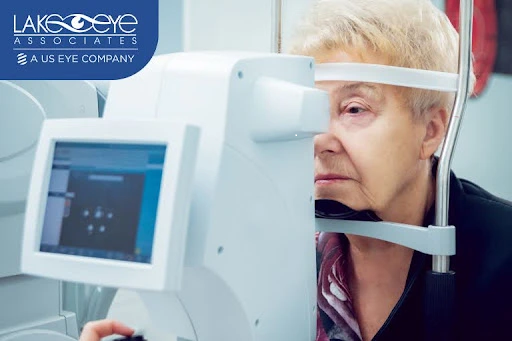
Follow-up care is one of the biggest concerns for snowbirds, and it should be addressed directly, with a clear plan.
Standard Follow-Up Basics
Most cataract surgery follow-up schedules include:
- A next-day visit (to check healing, eye pressure, and early response)
- A one-week visit (to confirm stability and adjust medications if needed)
- A several-week visit (often around 3–6 weeks) to assess vision and finalize glasses if needed
The exact schedule varies by surgeon and by patient factors (other eye conditions, healing response, lens choice, etc.). The important point is that follow-up is structured and predictable, which is beneficial for cataract surgery for snowbirds.
How Seasonal Coordination Works
For snowbirds, follow-up can be handled in a few ways:
- Complete the key early follow-ups in Florida, then transition routine care back home.
- Split follow-ups: critical early checks in Florida, later checks with a home-state eye doctor.
- Coordinate records and findings so your home provider knows exactly what was done and what to monitor.
This is where experienced snowbird eye care in Florida matters. Practices that regularly treat seasonal residents tend to have established processes for documenting procedures, sharing postoperative instructions, and supporting cross-state continuity.
Why Follow-Up Matters Clinically
Cataract surgery is highly successful, but every eye heals differently. Follow-ups help your surgeon confirm:
- The cornea is clearing as expected
- Inflammation is controlled
- Eye pressure is stable
- The lens implant is positioned correctly
- Your vision goals are being met
Many snowbirds prefer to schedule laser cataract surgery in Florida early enough in the season to comfortably complete the most important follow-up visits before traveling.
Benefits of Getting Cataract Surgery Done During a Florida Stay
For many seasonal residents, completing cataract care in winter is not merely convenient; it can be a smart risk-reduction decision.
Better Functional Vision During An Active Season
Snowbirds are often more active in Florida than they are at home. They drive more, walk more, play sports, attend events, and spend more time outdoors. Cataracts can interfere with these activities, especially because they often cause glare and reduced contrast, which is noticeable in bright sunlight and during night driving.
Vision And Fall Risk: An Evidence-Backed Concern
The CDC notes that vision impairment increases the risk of falls among older adults. CDC Falls can lead to serious injury and loss of independence, which is why addressing vision problems is not just a quality-of-life issue; it is a safety issue.
On a broader level, the World Health Organization also discusses how vision impairment in older adults can contribute to difficulty walking and a higher risk of falls and fractures.
For snowbirds, these risks can be more pronounced during travel and lifestyle transitions. Completing cataract surgery for snowbirds during a stable winter routine can reduce the chance that worsening vision creates hazards.
A Comfortable Environment For Recovery
Cataract surgery recovery is usually manageable, but comfort still matters. Winter in Florida often provides:
- Fewer weather-related disruptions to follow-up visits
- A calmer daily routine for medication schedules
- Less physical strain from winter chores (ice, snow, heavy coats, slippery sidewalks)
This is one reason winter cataract care in Florida is so attractive to seasonal residents: recovery fits naturally into winter life.
What Makes Our Florida Practice Ideal for Snowbirds
Seasonal residents need a provider who understands two realities at the same time:
- Cataract surgery must be performed with high clinical standards, and
- The patient’s schedule may be limited by a return trip home.
At Lake Eye Associates, we are proud to build our care on decades of service to the communities we serve. For more than 40 years, we have provided comprehensive eye care and advanced eye surgery with a focus on long-term patient relationships and clinical excellence. Our laser cataract surgery services reflect this commitment, combining specialized cataract care with the experience of surgeons who have performed tens of thousands of cataract procedures.
This depth of experience allows us to deliver care that is both highly personalized and grounded in proven surgical expertise. For snowbirds, that combination—experience, modern technology, and local access—supports a smooth pathway for cataract treatment for seasonal residents.
Location Convenience For Winter Residents
Local access is not a small thing. When you are scheduling consultations, surgery, and follow-ups, you want care that is close to where you live during the season. Snowbirds staying near Wildwood, The Villages, Lady Lake, Tavares, and Leesburg often prioritize short travel times and familiar communities during recovery.
That is exactly the kind of “practical advantage” that makes snowbird eye care in Florida work well: care is accessible, not burdensome.
Why “Systems” Matter As Much As Surgery
For a seasonal resident, ideal care includes:
- Clear pre-op education
- Transparent scheduling
- Step-by-step follow-up plans
- Help coordinate with a home doctor if needed
- A responsive clinical team for questions during recovery
These are the operational details that separate a stressful experience from an organized one, especially for cataract surgery for snowbirds.
Preparation Tips for Snowbirds Before Booking
A well-prepared patient has a smoother process, better peace of mind, and fewer last-minute surprises. If you are considering laser cataract surgery in Florida during the winter, preparation should start before you pick a surgery date.
Bring A Clear Medical List
Bring a current list of:
- Medications (including eye drops, blood thinners, and supplements)
- Medical conditions (diabetes, high blood pressure, autoimmune disease)
- Past eye history (glaucoma, macular degeneration, prior surgeries)
This allows your care team to plan safely.
Know Your Travel Dates And Flexibility
Seasonal residents often have a fixed departure date. Share:
- Arrival date
- Planned departure date
- Any scheduled travel (cruises, family trips, flights)
This helps design a follow-up plan that fits your winter schedule and supports safe winter cataract care in Florida.
Understand Lens Options In Advance
Not every patient wants the same outcome. Some prioritize:
- Distance vision for driving and golf
- Reading without glasses
- Reduced glare and better night vision
- Correction of astigmatism
Lens selection is a clinical decision guided by measurements and your goals. The more clearly you can explain your lifestyle needs, the better your surgeon can align the plan, especially when pairing a lens plan with laser cataract surgery techniques.
Arrange Transportation For Surgery Day
Patients should not drive themselves home after surgery. Plan for:
- Surgery-day transportation
- The next-day follow-up visit
- A backup plan if you feel uncomfortable driving for a short period
Plan For A Calm First Week
Most patients feel well quickly, but the first week still matters. Build in time for:
- Using prescribed drops as directed
- Avoiding heavy lifting or strenuous activity until cleared
- Attending follow-ups reliably
This is one of the reasons cataract surgery for snowbirds often fits so well into winter stays: many seasonal residents have the flexibility to take recovery seriously.
A Clear Seasonal Strategy for Cataract Care
For snowbirds, winter in Florida can be an ideal window because it offers stable routines, access to experienced care teams, and scheduling structures designed for seasonal living. If you are exploring snowbird eye care in Florida, the most practical next step is a consultation that maps out your timeline—consultation, procedure, and follow-up—based on how long you will be in Florida and what your vision goals are.
If you live near Wildwood, The Villages, Lady Lake, Tavares, or Leesburg and would like to learn more about the laser cataract procedure and request an appointment, you can schedule an appointment today.
Because once you know your options, your timing, and your follow-up plan, the decision becomes much simpler.
Frequently Asked Questions
Can I schedule my cataract consultation before arriving in Florida?
Yes. Many Florida eye clinics offer virtual or phone consultations, so you can plan your surgery and discuss your needs before you travel.
Are there special insurance or travel coverage options for snowbirds having cataract surgery in Florida?
Some travel medical insurance plans cover surgery complications or emergencies. Always check your policy and ask the clinic staff about payment options for out-of-state or Canadian patients.
How do Florida clinics coordinate cataract surgery follow-up with my home eye doctor?
Experienced snowbird eye care practices will share your surgery details and recovery instructions directly with your home provider, ensuring seamless care when you return north.
Are there activity restrictions for snowbirds during recovery in Florida?
You’ll need to avoid swimming, heavy lifting, and dusty outdoor activities for a short period after surgery. Most patients can enjoy gentle walks, golf, or social events within days, as advised by their surgeon.
Does Florida’s winter climate help with cataract surgery recovery for snowbirds?
Yes. Florida’s mild winters reduce the risk of slips, falls, and weather-related delays. Many snowbirds find recovery easier and more comfortable in Florida compared to colder northern climates.


